
fish cheeks pdf
Overview of the Fish Cheeks PDF
Fish Cheeks PDF offers a concise teacher guide from the 2023 University of Florida․ It highlights the narrator’s personal family experience‚ emphasizing cultural identity and name significance․ The guide supports classroom discussion and reflection on heritage․ It encourages cross culture and insight!?․
Purpose and Target Audience
The Fish Cheeks PDF guide is designed to serve as a concise‚ teacher‑friendly resource that aligns with contemporary classroom standards․ Its primary purpose is to provide educators with a ready‑made framework for introducing the short story “Fish Cheeks” by Amy Tan‚ while simultaneously fostering a deeper appreciation for cultural nuance and personal identity․ The guide distills the narrative’s core themes—family dynamics‚ cultural assimilation‚ and the power of language—into clear‚ actionable objectives that can be seamlessly integrated into lesson plans across a range of grade levels․
Targeted at middle and high school teachers‚ the PDF assumes a foundational knowledge of literary analysis but offers supplemental scaffolding for educators who may not specialize in multicultural literature․ It includes suggested discussion prompts‚ vocabulary lists‚ and cross‑curriculum connections that enable teachers to adapt the material for English‚ social studies‚ and even art classes․ The guide’s flexible structure allows for both whole‑class debates and small‑group activities‚ making it suitable for diverse classroom settings․
In addition to its instructional focus‚ the PDF serves as a cultural bridge‚ encouraging students to reflect on their own heritage and the ways in which names and traditions shape identity․ By highlighting the narrator’s experience of feeling “embarrassed” at a family dinner‚ the guide invites students to consider the broader implications of cultural expectations and the importance of self‑acceptance․ The resource is therefore positioned as both an academic tool and a catalyst for personal growth․
Overall‚ the Fish Cheeks PDF is a compact‚ versatile asset that equips teachers with the necessary materials to facilitate engaging‚ culturally responsive discussions while meeting curriculum standards; Its emphasis on empathy‚ critical thinking‚ and self‑reflection aligns with the goals of modern education‚ ensuring that the story’s lessons resonate with students from diverse backgrounds․ Students will leave the classroom with a heightened awareness of the complexities of cultural identity‚ ready to apply these insights in learning experiences․
Key Features of the PDF Guide
Lesson Structure: A ready‑made‚ step‑by‑step outline that aligns with Common Core standards‚ allowing teachers to introduce “Fish Cheeks” with minimal preparation․ The guide breaks the narrative into manageable segments‚ each paired with targeted objectives and discussion prompts‚ and includes a quick reference sheet for key terms․
Vocabulary & Cultural Context: Targeted word lists‚ idiomatic expressions‚ and brief cultural notes help students decode references to Chinese traditions and the significance of the narrator’s name․ Students can use the cultural notes to create a brief presentation that connects the story to their own heritage․
Assessment & Reflection Tools: Ready‑made rubrics for analytical writing‚ oral presentations‚ and exit tickets provide clear criteria for evaluation․ Guided journal prompts are designed to be completed in class or as homework‚ encouraging students to reflect on family expectations and identity struggles․
Multimedia & Accessibility: Embedded links to audio recordings‚ short film clips‚ and interactive maps enrich the lesson‚ while the PDF’s high‑contrast version‚ alt text‚ and screen‑reader compatibility ensure accessibility for all learners․ Teachers can download the multimedia assets for offline use․

Author Background and Publication Context
Amy Tan‚ author of “The Joy Luck Club‚” wrote “Fish Cheeks” in 1989‚ reflecting her Chinese‑American upbringing․ The 2023 PDF guide from the University of Florida situates the story amid immigrant identity and cultural negotiation․ It offers discussion prompts‚ vocabulary lists‚ multimedia links for lessons․
Amy Tan’s Literary Career
Born in 1952 in Oakland‚ California‚ Amy Tan emerged as a pivotal voice in Asian‑American literature․ Her debut novel‚ The Joy Luck Club (1989)‚ won the American Book Award and established her reputation for weaving Chinese immigrant narratives with lyrical prose․ The novel’s success led to a film adaptation and a series of sequels‚ including The Kitchen God’s Wife (1995) and The Hundred Secret Senses (2000)․ Tan’s work often explores the tension between traditional Chinese values and the American cultural landscape‚ a theme that is vividly present in her short story “Fish Cheeks․” The 2023 University of Florida PDF guide contextualizes this story within Tan’s broader oeuvre‚ highlighting how the narrator’s internal conflict mirrors Tan’s own experiences as a daughter of immigrants․ Tan’s essays‚ such as “The Art of Writing” (1994)‚ further illuminate her commitment to storytelling as a means of cultural preservation․ Her literary career also includes contributions to anthologies‚ editorial roles‚ and teaching positions at institutions like the University of California‚ Berkeley․ Tan’s influence extends beyond fiction; she has been a vocal advocate for Asian‑American representation in media and has received numerous honors‚ including the National Book Award for Fiction finalist status in 1999․ The PDF guide provides educators with a concise overview of Tan’s background‚ enabling deeper classroom discussions about identity‚ language‚ and the immigrant experience․ Her stories inspire classroom projects that blend creative writing with cultural research‚ encouraging student to explore heritage through art‚ digit‚ and student․ Tan’s emphasis on narrative authentic fosters empathy and cross‑cultural dialogue among diverse learners․
Historical Context of the Story’s Release
“Fish Cheeks‚” first appearing in Amy Tan’s 1989 collection The Joy Luck Club‚ arrived amid a burgeoning Asian‑American literary renaissance․ The late 1980s saw a surge in visibility for immigrant voices‚ fueled by the 1986 Immigration Reform and Control Act and the growing influence of the Asian American Studies movement․ Tan’s narrative‚ centered on a Chinese‑American girl’s embarrassment at a family dinner‚ resonated with readers navigating bicultural identity in a rapidly diversifying United States․ The story’s publication coincided with the rise of multicultural education initiatives in schools‚ prompting educators to incorporate texts that reflected diverse experiences․ The 2023 University of Florida PDF guide highlights this backdrop‚ noting how the story’s themes of cultural assimilation‚ familial expectations mirrored broader societal conversations about race‚ gender‚ and belonging․ By situating “Fish Cheeks” within this historical moment‚ the guide encourages students to examine how literature can both reflect and shape the evolving narrative of American identity․
The nuanced portrayal invites studies‚ empathy deep!!
Narrative Structure and Thematic Elements
Fish Cheeks PDF outlines a concise narrative arc: a first‑person teenage girl confronts cultural clash during a family dinner․ Themes of identity‚ shame‚ and acceptance intertwine‚ using vivid imagery and dialogue to explore the tension between heritage and assimilation․ The guide invites reflection now
First-Person Perspective and Identity Conflict
In the Fish Cheeks PDF‚ the narrative is delivered through a close first‑person lens‚ allowing readers to inhabit the protagonist’s internal monologue as she navigates a pivotal family dinner․ The guide highlights how the narrator’s voice oscillates between adolescent insecurity and a budding sense of cultural pride‚ creating a vivid portrait of identity conflict․ By focusing on sensory details—smell of soy sauce‚ clatter of chopsticks‚ hum of Mandarin—the PDF shows how environment shapes self‑perception․ The teacher’s notes emphasize the tension between the narrator’s desire to fit into a mainstream American context and her loyalty to her Chinese heritage․ Her reactions to parents’ expectations and classmates’ teasing highlight the psychological struggle many bicultural teens face․ The guide encourages discussion on how first‑person narration can reveal subconscious biases‚ as the narrator initially misjudges her own cultural practices before learning to appreciate them․ The PDF also suggests comparative analysis with other works that use similar narrative strategies to explore identity‚ providing a broader literary framework․ Students are prompted to reflect on moments when their own identities clash with external expectations‚ fostering empathy and critical thinking․ The overall structure of the PDF supports a layered exploration of identity conflict‚ making it a valuable resource for both literature and social‑studies curricula․ The PDF includes a diary exercise‚ letting students write from the narrator’s view to internalize emotional stakes․ It also references Chinese immigration history‚ noting generational differences that influence the narrator’s experience․ Situating the story in this socio‑historical context gives students insight into forces shaping identity formation․ Students can also compare the narrative to their own family stories‚ fostering a personal connection․ This holistic approach enriches classroom dialogue!
Symbolism of the Fish Cheeks and Cultural Rituals
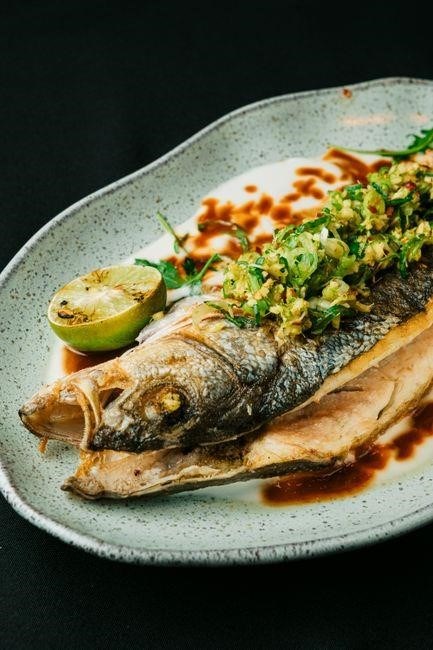
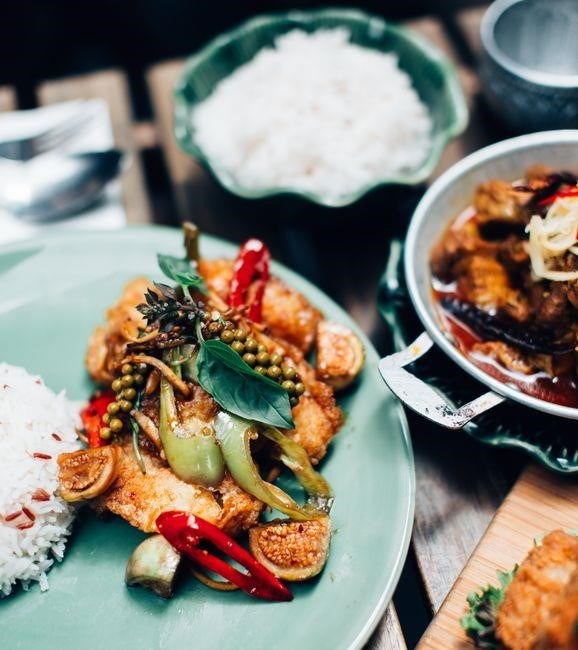
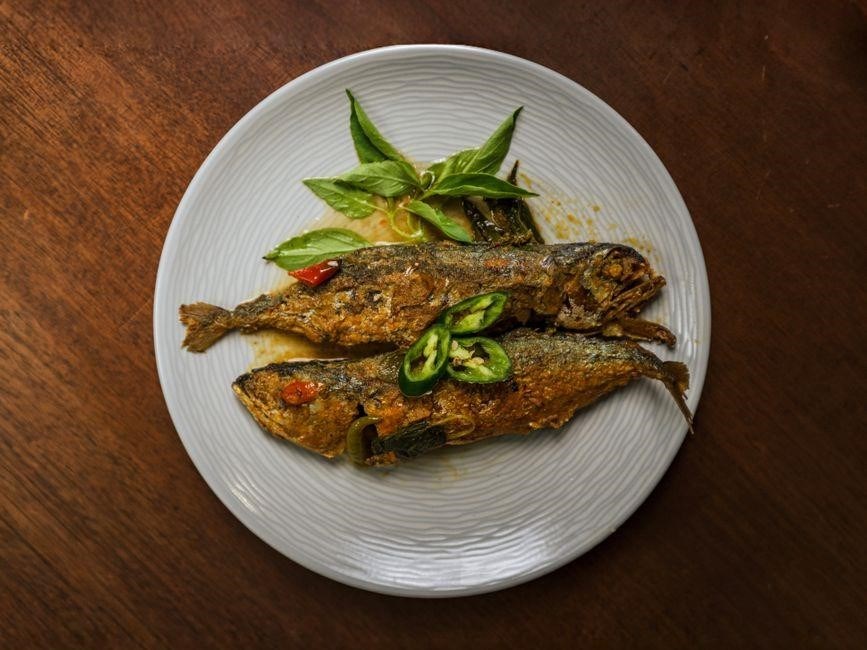
The Fish Cheeks PDF interprets the titular dish as a symbol that intertwines familial affection‚ cultural heritage‚ and the protagonist’s evolving self‑identity․ The fish‚ a staple in Chinese cuisine‚ represents nourishment and continuity; its pink flesh mirrors the narrator’s vulnerability during the family dinner․ The act of peeling the fish cheeks‚ a ritual performed by the mother‚ signifies the careful preparation of tradition for the next generation․ In the guide‚ teachers are encouraged to highlight how the fish’s presentation—arranged with precision on a porcelain plate—mirrors the expectations parents hold for the children․ The PDF also notes that the fish’s scent‚ described as “sweet and slightly briny‚” evokes the memory of the narrator’s grandmother’s kitchen‚ reinforcing the idea that food can serve as an anchor for cultural memory․ Symbolically‚ the fish cheeks become a metaphor for the narrator’s embarrassment when she must confront her heritage in front of peers․ The guide suggests that the fish’s transformation from raw to cooked parallels the narrator’s journey from shame to acceptance․ Additionally‚ the PDF points out that the family’s use of chopsticks during the meal underscores the importance of cultural rituals in maintaining identity․ The act of sharing the fish‚ with each bite accompanied by a toast in Mandarin‚ illustrates the aspect of cultural practice․ By examining these symbolic layers‚ the PDF invites students to analyze how everyday objects can carry cultural significance and how rituals reinforce a sense of belonging․ The guide concludes by encouraging students to create their own “dish” project‚ linking personal heritage to deep cultural narratives․
In-Class Application and Discussion Strategies
The PDF guides teachers to use guided reading questions‚ role‑play scenarios‚ and cultural sensitivity activities․ Students analyze the narrator’s conflict‚ discuss family expectations‚ and share personal stories․ The guide encourages reflective writing and group debates to deepen understanding Promote empathy
Guided Reading Questions
How does the narrator’s reaction to the family dinner illustrate the tension between personal values and cultural expectations?
In what ways does the “fish cheeks” symbolize the narrator’s identity crisis?
Discuss the significance of the narrator’s name in the context of the story․ How does it influence her feelings about her heritage?
What role does humor play in the narrator’s coping strategy? Provide specific examples from the text․
How does the narrator’s perspective shift from embarrassment to acceptance by the end of the narrative?
Compare the narrator’s experience with another cultural tradition you are familiar with․ What similarities or differences emerge?
How can teachers use this story to foster a classroom environment that respects diverse backgrounds?
Create a short reflection: If you were the narrator‚ what would you say to your family about your identity?
Design a role‑play activity where students act as family members and the narrator․ What outcomes would you aim for?
Evaluate the effectiveness of the story’s ending in promoting cultural empathy․ What elements contribute to its impact?

These questions guide students through critical analysis‚ encouraging them to connect personal experiences with broader cultural themes․ By reflecting on the narrator’s journey‚ learners develop empathy and a deeper appreciation for diverse identities․
Teachers can adapt these prompts for ensuring relevance across every daily classroom․
Role-Play and Cultural Sensitivity Activities
Students can immerse themselves in the narrator’s experience by engaging in structured role‑play scenarios that highlight cultural nuances and personal identity․ Begin with a “Dinner Table Debate” where one student portrays the narrator‚ another acts as the family elder‚ and a third represents the peer who comments on the fish cheeks․ The activity encourages dialogue about expectations‚ embarrassment‚ and eventual acceptance․
Next‚ use the “Name Identity Exercise․” Students write their own names on a card‚ then share the origin story and cultural significance in small groups․ This mirrors the narrator’s struggle with her name and fosters empathy for classmates who may face similar challenges․
For a deeper cultural sensitivity layer‚ implement the “Cultural Ritual Reenactment․” Assign each group a traditional Chinese celebration (e․g․‚ Lunar New Year‚ Mid‑Autumn Festival) and ask them to research customs‚ foods‚ and symbolic meanings․ Groups then perform a short skit that demonstrates how these rituals shape identity‚ drawing parallels to the fish‑cheek scene․
Finally‚ conclude with a reflective “Identity Mosaic;” Each student creates a visual collage combining images of personal heritage‚ favorite foods‚ and symbols that represent their cultural background․ Display the mosaics in the classroom‚ allowing peers to comment on similarities and differences‚ thus reinforcing the lesson’s core message about embracing diversity․
Teachers can add a reflective journal prompt‚ asking students to describe a moment when cultural differences caused misunderstanding․ This encourages empathy self‑awareness!!!!!!!!
Supplementary Materials and Extension Activities
Explore interactive timelines‚ community interviews‚ and student projects that deepen cultural insight․ Use the 2023 UF guide to compare narrative techniques‚ analyze symbolism‚ and create reflective essays on identity and heritage․ group talk․!!
Related Short Stories and Comparative Analysis
Fish Cheeks PDF invites educators to pair the story with short works that echo its themes of cultural negotiation and identity․ The guide recommends “The Joy Luck Club” excerpts‚ “The Paper Menagerie” by Ken Liu‚ and “The Namesake” by Jhumpa Lahiri‚ each offering a lens on immigrant experience․ Comparative analysis prompts students to examine how protagonists confront familial expectations‚ navigate bilingual settings‚ and reconcile personal aspirations with communal values․ By juxtaposing Amy Tan’s first‑person confessional tone with Liu’s lyrical prose and Lahiri’s third‑person perspective‚ learners uncover stylistic variations that illuminate cultural hybridity․ The guide also suggests a cross‑genre comparison with the 2023 University of Florida’s “Cultural Identity in Name” case study‚ encouraging students to trace identity markers across time and media․ Through guided questions‚ students chart similarities in narrative structure—such as a pivotal family event—and differences in resolution strategies‚ fostering critical thinking about how form shapes meaning․ This framework deepens literary appreciation and equips students with analytical tools applicable to texts‚ extending the reach of the Fish Cheeks PDF․ Additionally‚ the PDF includes a side‑by‑side excerpt table highlighting key passages‚ allowing annotation and discussion of techniques like foreshadowing‚ irony‚ and cultural symbolism․ Engaging with these texts‚ learners develop empathy for characters navigating cross‑cultural spaces and hone their ability to articulate nuanced arguments in written and oral formats․ The comparative section serves as a scaffold for interdisciplinary exploration‚ linking literature‚ sociology‚ and linguistics․ Thanks․

Multimedia Resources and Student Projects
Fish Cheeks PDF’s multimedia section offers a curated list of videos‚ podcasts‚ and interactive tools that bring the story’s cultural nuances to life․ The guide links to a 2023 University of Florida lecture on Amy Tan’s narrative techniques‚ a short documentary about Chinese American family traditions‚ and a bilingual audio reading of the story․ Students can use the provided YouTube playlist to compare the original Mandarin subtitles with the English translation‚ noting shifts in tone and meaning․ The PDF also recommends a short‑film competition where students reenact the family dinner scene‚ encouraging them to script dialogue in both languages and explore non‑verbal cues․ Additionally‚ a digital storyboard template is included‚ allowing learners to map the narrative arc and annotate key symbols such as the fish cheeks‚ the red envelope‚ and the family photo․ For research projects‚ the guide suggests creating a podcast series that interviews contemporary Chinese American writers about identity and name․ Students can record‚ edit‚ and publish episodes‚ then reflect on how the audio medium shapes storytelling․ The multimedia resources are paired with a rubric that assesses creativity‚ cultural sensitivity‚ and technical proficiency․ By integrating video‚ audio‚ and interactive elements‚ the Fish Cheeks PDF fosters multimodal literacy and empowers students to produce original‚ culturally informed projects․ Students may create a post how the multimedia experience deepened their understanding of cultural identity․!!!
Leave a Reply
You must be logged in to post a comment.