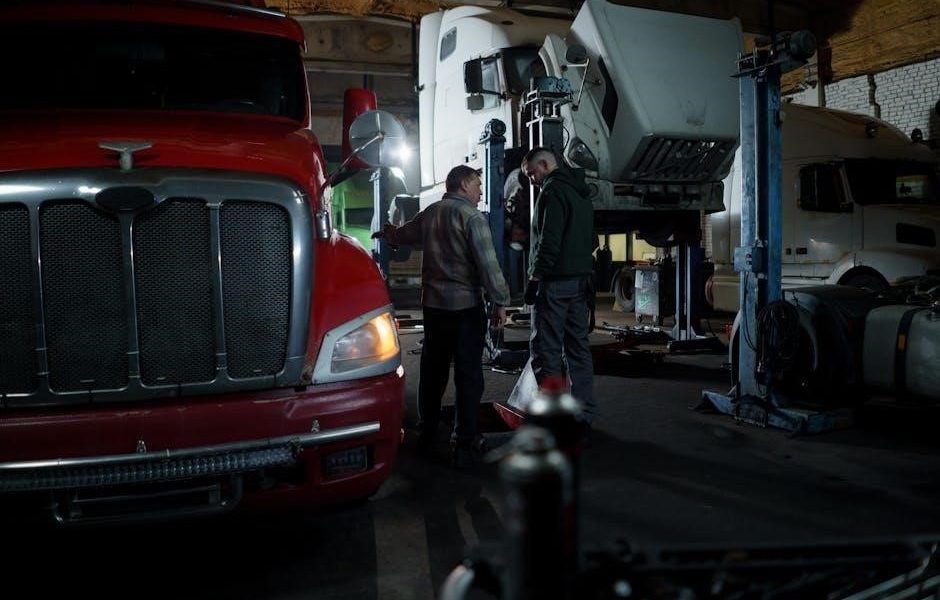
cessna 172p maintenance manual
Cessna 172P Maintenance Manual: A Comprehensive Plan
This manual details essential upkeep for the Cessna 172P, ensuring airworthiness and longevity.
It covers inspections, repairs, and adherence to aviation regulations,
like those discussed on Aviation Consumer’s Cessna 182 Skylane review.
This manual serves as a vital resource for owners and maintenance personnel responsible for the continued airworthiness of the Cessna 172P. It outlines the procedures and schedules necessary to maintain the aircraft in safe operating condition, adhering to regulations set forth by aviation authorities.
Proper maintenance isn’t merely about compliance; it’s about preserving the aircraft’s value and, most importantly, ensuring the safety of flight. This guide details everything from routine inspections to in-depth repairs, drawing upon best practices and manufacturer recommendations. Resources like Aviation Consumer provide valuable insights into aircraft ownership and maintenance considerations, highlighting the importance of diligent upkeep, as seen in their Cessna 182 Skylane review.
Regular adherence to this manual will minimize unexpected downtime and maximize the lifespan of your Cessna 172P.
Understanding Aircraft Maintenance Schedules
Cessna 172P maintenance operates on a tiered schedule, encompassing preflight checks, 100-hour inspections, annual inspections, and progressive maintenance. Each level addresses different aspects of the aircraft’s condition, ensuring comprehensive coverage. Preflight inspections, conducted before each flight, are the pilot’s responsibility and focus on immediate safety items.
The 100-hour inspection is a more detailed check performed by a certified mechanic, covering engine components, flight controls, and essential systems. Annual inspections are the most thorough, requiring a complete teardown and examination of the aircraft’s structure and systems.
Adhering to these schedules, as emphasized by resources like Aviation Consumer, is crucial for maintaining airworthiness and preventing costly repairs. Consistent maintenance, similar to the diligent upkeep discussed in their Cessna 182 Skylane review, extends the aircraft’s lifespan.
Preflight Inspection Procedures
A thorough preflight inspection is paramount for safe Cessna 172P operation. This pilot-performed check verifies the aircraft’s condition before each flight. Begin with a walk-around, examining the fuselage, wings, and tail for any damage or discrepancies. Check control surfaces for freedom of movement and proper attachment.
Inspect fuel tanks for leaks and ensure adequate fuel quantity. Verify proper operation of lights, flaps, and landing gear. Pay close attention to the propeller and engine for any signs of oil leaks or damage.
Consistent preflight routines, mirroring the attention to detail found in comprehensive aircraft reviews like those on Aviation Consumer, are vital for identifying potential issues before they escalate, ensuring a safe and reliable flight.

Detailed Walk-Around Inspection Checklist
Begin at the nose, checking the spinner, propeller, and engine cowling for damage or oil leaks. Inspect pitot tube and static ports for obstructions. Move along the fuselage, examining the skin for dents, corrosion, or loose rivets.
Wings require meticulous inspection: check leading edges, flaps, ailerons, and fuel tank vents. Verify tie-downs are secure. Inspect landing gear struts, tires (pressure and wear), and brakes.
At the tail, examine the vertical and horizontal stabilizers, rudder, and elevator for damage. Confirm control cable security. This detailed checklist, akin to the thoroughness found in Aviation Consumer’s aircraft assessments, ensures no area is overlooked, promoting flight safety.
Fluid Level Checks (Oil, Fuel, Hydraulic)
Engine oil is critical; check the dipstick before each flight, ensuring it’s within the acceptable range. Low oil can cause catastrophic engine failure. Fuel levels must be verified both visually in the tanks and using the fuel gauges. Look for water or contaminants during sampling.
Hydraulic fluid (if equipped) requires inspection for proper level and leaks. Check brake fluid reservoirs for sufficient quantity. Consistent monitoring, similar to the detailed assessments in Aviation Consumer reviews, is vital.
Document all levels in the aircraft logbook. Addressing discrepancies promptly prevents potential in-flight issues and maintains airworthiness.
Routine Maintenance Tasks ⎯ 100 Hour Inspection
The 100-hour inspection is a crucial preventative measure, focusing on items prone to wear. This includes a thorough examination of the engine, propeller, and flight controls. Inspect the fuel system for leaks and proper operation, verifying fuel lines and filters.
Check the landing gear for any signs of damage or excessive wear. Battery condition and electrical connections should be assessed. Like the detailed reviews on Aviation Consumer, attention to detail is paramount.
Document all findings and corrective actions in the aircraft’s maintenance logbook. This inspection ensures continued safe operation.
Engine Oil and Filter Change Procedure
Begin by warming the engine to operating temperature to ensure optimal oil flow. Position a drain pan beneath the oil drain plug and carefully remove the plug, allowing the oil to drain completely. Inspect the drained oil for any metal shavings, indicating potential engine wear.
Remove the old oil filter using an appropriate wrench, lubricating the new filter’s gasket with fresh oil before installation. Tighten the filter to the manufacturer’s specified torque. Reinstall the drain plug with a new crush washer.
Add the recommended oil quantity, checking the oil level with the dipstick. Run the engine briefly and recheck the level. Record the oil change in the aircraft’s logbook.
Spark Plug Inspection and Cleaning/Replacement
Remove each spark plug carefully, noting its position for reinstallation. Inspect the electrodes for wear, fouling, or damage. Check the spark plug gap against the Cessna 172P’s specifications. Clean fouled plugs using a spark plug cleaner, ensuring the electrodes are free of carbon buildup.
If plugs are worn or damaged, replace them with new spark plugs of the correct type. Apply a small amount of anti-seize compound to the threads before installation. Torque the spark plugs to the manufacturer’s recommended specification.

Reinstall the spark plugs in their original positions. Record the inspection, cleaning, or replacement in the aircraft’s maintenance logbook.
Annual Inspection Requirements
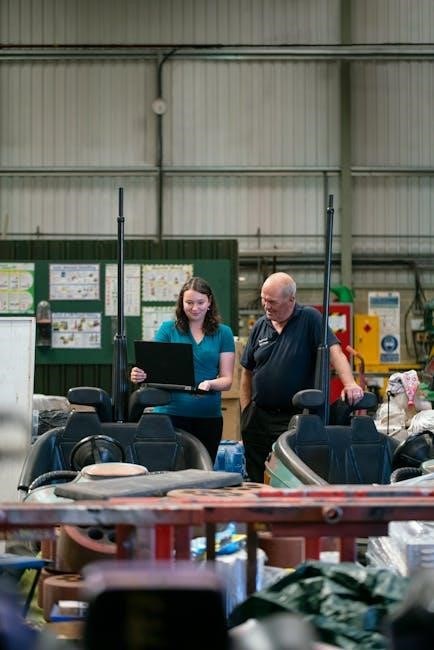
The annual inspection is a comprehensive assessment of the Cessna 172P’s airworthiness, mandated by aviation regulations; This detailed inspection must be performed by a certified A&P mechanic. It goes beyond routine checks, focusing on the aircraft’s structural integrity and system functionality.

Key areas include a thorough examination of the wings, fuselage, and tail for corrosion, cracks, or damage. Control surfaces are inspected for freedom of movement and proper rigging. All critical systems – engine, flight controls, fuel, and electrical – receive meticulous scrutiny.
Documentation of the inspection, including any discrepancies found and corrective actions taken, is crucial for maintaining the aircraft’s airworthiness certificate.
Structural Inspection – Wings, Fuselage, Tail
A meticulous structural inspection is paramount during the annual review of the Cessna 172P. This involves a detailed examination of the wings, fuselage, and tail assembly for any signs of stress, corrosion, or damage. Technicians carefully inspect the skin, spars, ribs, and stringers of the wings for cracks or delamination.
The fuselage is checked for evidence of corrosion, particularly around joints and areas prone to moisture accumulation. The tail section receives similar scrutiny, with attention paid to the vertical and horizontal stabilizers, and the rudder and elevator attachment points.
Any discrepancies discovered must be documented and addressed to ensure continued airworthiness.
Control Surface Inspection and Rigging Checks
Rigorous inspection of control surfaces – ailerons, elevator, and rudder – is crucial for safe Cessna 172P operation. This process involves a thorough examination for any signs of damage, wear, or looseness in hinges, horns, and connecting linkages. Technicians verify the freedom of movement and proper aerodynamic balance of each surface.
Rigging checks ensure correct control travel and responsiveness. Measurements are taken to confirm that control cable tension and surface deflections fall within specified limits. Any adjustments are made to maintain precise control harmony and eliminate excessive play.
Properly rigged controls are essential for predictable handling and pilot confidence.
Lubrication Schedule and Procedures
Consistent lubrication is vital for minimizing wear and ensuring smooth operation of numerous Cessna 172P components. The maintenance manual outlines a detailed schedule specifying lubrication points, intervals, and appropriate lubricants. Key areas include control cables, hinges, bearings, and moving parts within the engine and flight controls.
Procedures involve applying the correct type and amount of lubricant, ensuring complete coverage without over-lubrication. Regular greasing prevents corrosion, reduces friction, and extends the lifespan of critical parts. Specific attention is given to areas prone to high stress or environmental exposure.
Adhering to the lubrication schedule is a proactive measure for maintaining airworthiness.
Electrical System Maintenance
Maintaining the Cessna 172P’s electrical system is crucial for reliable operation of avionics, lighting, and essential aircraft functions. The manual details inspection procedures for wiring harnesses, connectors, and circuit breakers, seeking any signs of damage, corrosion, or wear. Regular checks ensure proper grounding and insulation resistance.
Battery maintenance includes inspecting electrolyte levels (if applicable), terminal cleanliness, and charge status. Voltage and amperage are monitored to confirm optimal performance. Proper battery care extends its lifespan and ensures reliable starting. Troubleshooting procedures are outlined for identifying and resolving electrical faults.
A functional electrical system is paramount for flight safety.
Battery Inspection and Maintenance
Regular battery inspection is vital for the Cessna 172P’s reliable starting and electrical system functionality. The maintenance manual outlines a detailed procedure, beginning with a visual check for corrosion around terminals and the battery case. Electrolyte levels (for wet-cell batteries) must be maintained at the proper height using distilled water only. Terminal connections should be cleaned and tightened to ensure optimal conductivity.
Voltage and specific gravity testing are essential to assess the battery’s charge state and overall health. Load testing verifies the battery’s ability to deliver sufficient current under demand. Proper charging procedures, using a compatible charger, are detailed to prevent overcharging or damage. Record all inspections and maintenance performed in the aircraft logbook.
Wiring Harness Inspection for Damage
Thorough inspection of the Cessna 172P’s wiring harnesses is crucial for preventing electrical failures. The maintenance manual emphasizes a systematic approach, starting with a visual examination for chafing, cracking, or deterioration of insulation. Pay close attention to areas where wires pass through bulkheads or are secured with clamps. Look for signs of overheating, such as discolored or melted insulation.
Continuity testing should be performed on critical circuits to verify the integrity of the wiring. Connections must be secure and free from corrosion. Any damaged wires require immediate repair or replacement with FAA-approved components. Proper routing and support of wiring harnesses are essential to prevent future damage. Detailed records of all inspections and repairs must be maintained in the aircraft logbook.
Landing Gear Maintenance

Maintaining the Cessna 172P’s landing gear is paramount for safe operation. The maintenance manual details procedures for inspecting the main and nose gear assemblies. Focus areas include checking for cracks, corrosion, and excessive wear on critical components like the landing gear struts, wheels, tires, and brakes. Inspect brake lines for leaks and ensure proper brake function.

Tire pressure must be verified and adjusted according to the aircraft’s specifications. Wheel bearings require regular lubrication and inspection for play. The manual outlines torque specifications for all landing gear fasteners. Any discrepancies discovered during inspection must be addressed before further flight. Thorough documentation of all maintenance performed is essential for continued airworthiness.
Fuel System Inspection and Maintenance
The Cessna 172P fuel system demands meticulous inspection and maintenance. The maintenance manual outlines procedures for checking fuel tanks for leaks, corrosion, and proper venting. Fuel lines should be inspected for cracks, kinks, and secure connections. Fuel filters require regular draining and replacement to prevent contamination.
Fuel pumps, both electric and mechanical, need functional testing. Inspect fuel quantity gauges for accuracy. Check carburetor or fuel injection components for proper operation and potential obstructions. Ensure proper fuel selector valve function. Any fuel system anomalies must be addressed immediately. Detailed logbook entries are crucial for tracking maintenance and ensuring continued airworthiness.
Avionics System Checks and Troubleshooting
The Cessna 172P avionics system requires regular checks to ensure reliable operation. The maintenance manual details procedures for verifying the functionality of communication radios, navigation equipment (VOR, GPS), and transponder. Antenna connections should be inspected for corrosion and secure attachment. Headset jacks and audio panels need testing for clear communication.
Troubleshooting procedures are outlined for common issues like static, signal loss, or display malfunctions. Software updates should be applied as recommended by the manufacturer. Ensure proper encoding of the transponder. Regularly check the pitot-static system for leaks. Detailed logbook entries documenting all checks and repairs are essential for maintaining airworthiness and regulatory compliance.
Record Keeping and Logbook Entries
Meticulous record-keeping is paramount for Cessna 172P maintenance. The aircraft’s logbooks – engine, airframe, and propeller – must document all inspections, repairs, alterations, and preventative maintenance performed. Entries should be clear, concise, and include dates, descriptions of work completed, mechanic’s certificate number, and any parts used.
Compliance with FAA regulations requires accurate and complete records. Maintain copies of all Airworthiness Directives (ADs) and Service Bulletins applied to the aircraft. Detailed records facilitate tracking maintenance schedules and identifying recurring issues. Proper logbook entries are crucial during audits and for maintaining the aircraft’s value and airworthiness certification.

Common Cessna 172P Maintenance Issues and Solutions
Frequent Cessna 172P issues include carburetor icing, especially during colder months, requiring diligent use of carburetor heat. Oil leaks around the engine seals are common, necessitating regular inspection and replacement of gaskets. Electrical problems, such as faulty landing lights or navigation equipment, often stem from corroded wiring.
Solutions involve proactive inspections, utilizing quality replacement parts, and addressing issues promptly. Fuel system contamination can be prevented with consistent fuel filter changes. Proper lubrication mitigates wear and tear on moving parts. Referencing maintenance manuals and seeking qualified mechanic assistance are vital for effective troubleshooting and repair, ensuring continued safe operation.
Airworthiness Directives (ADs) and Service Bulletins
Airworthiness Directives (ADs) are mandatory instructions issued by aviation authorities, like the FAA, to correct unsafe conditions in aircraft. Service Bulletins (SBs), issued by Cessna, recommend but don’t require modifications or inspections. Staying current with both is crucial for 172P maintenance.
ADs address critical issues, potentially affecting flight safety, demanding immediate compliance. SBs offer improvements to reliability and performance. Regularly checking the FAA website and Cessna’s official publications is essential. Proper documentation of AD compliance in the aircraft’s logbooks is legally required. Ignoring these directives can lead to severe consequences and void insurance coverage.
Tools and Equipment Required for Maintenance
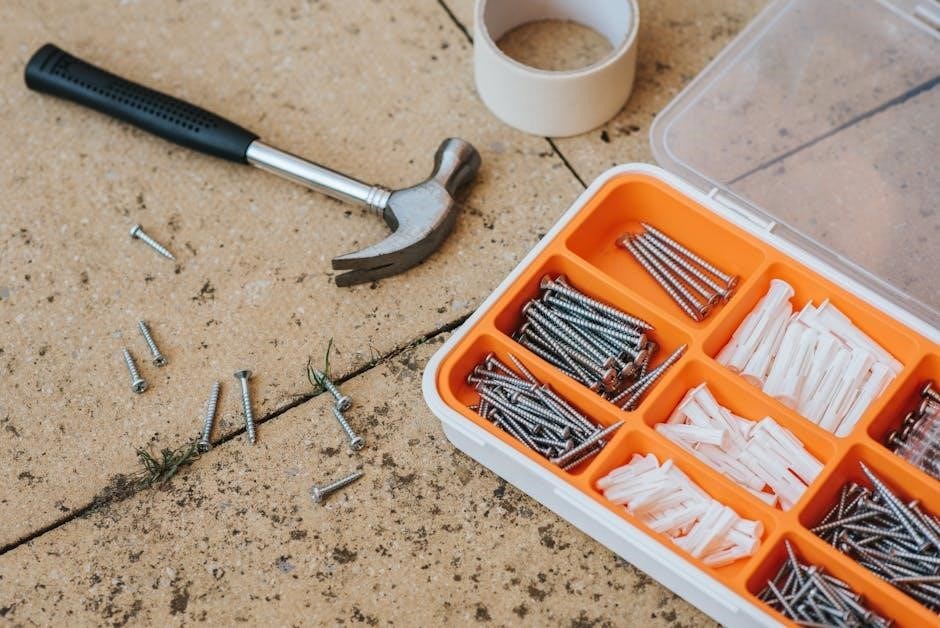
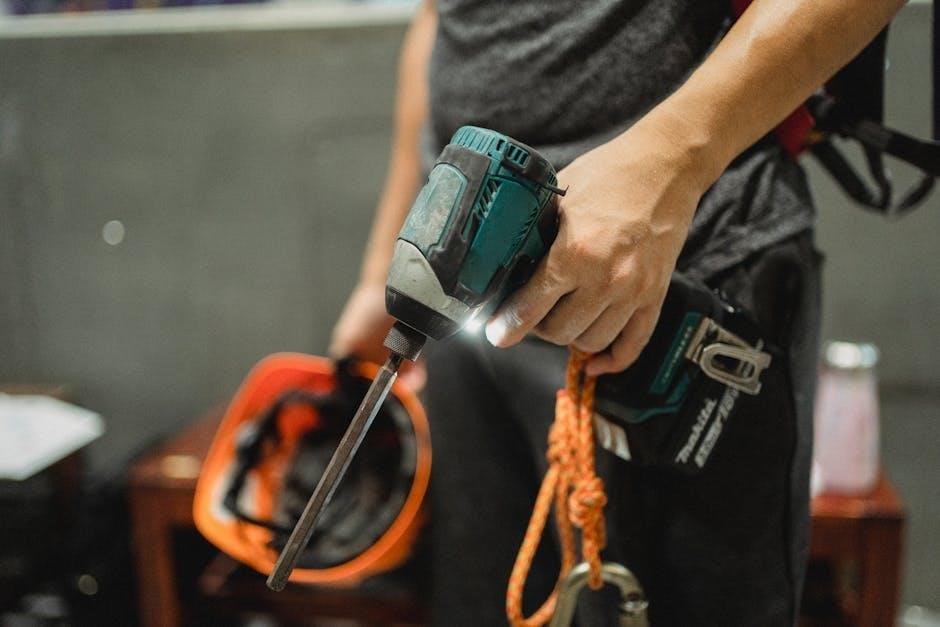
Performing Cessna 172P maintenance demands a specific toolkit. Essential tools include torque wrenches (various ranges), precision screwdrivers, safety wire pliers, and a multimeter for electrical checks. Specialized equipment like a borescope for cylinder inspection and a compression tester are highly recommended.
Access to aircraft manuals and wiring diagrams is vital. Safety gear – gloves, eye protection, and appropriate clothing – is non-negotiable. A well-stocked inventory of common parts, like oil filters and spark plugs, minimizes downtime. Calibration of tools ensures accuracy. Proper storage maintains tool condition. Investing in quality tools enhances efficiency and safety during maintenance procedures.
Safety Precautions During Maintenance
Aircraft maintenance prioritizes safety. Always disconnect the battery before electrical work to prevent shorts. Use approved grounding straps to dissipate static electricity. Work in a well-ventilated area when handling fuels, oils, or solvents. Never work alone; a second person provides assistance and emergency support.
Securely support the aircraft with jack stands before working underneath. Follow torque specifications precisely to avoid component failure. Wear appropriate personal protective equipment (PPE) – gloves, eye protection, and respirators. Properly dispose of hazardous materials. Consult the maintenance manual for specific safety warnings. Maintain a clean and organized workspace to prevent accidents.
Resources and Further Information
For comprehensive Cessna 172P information, consult the official Cessna Aircraft Company maintenance manuals and service letters. Aviation Consumer (aviationconsumer.com) provides valuable aircraft reviews and maintenance insights, including comparisons like the Cessna 182 Skylane analysis. The FAA website (faa.gov) offers Airworthiness Directives (ADs) and regulatory guidance.
Pilot operating handbooks contain essential aircraft system details. Online aviation forums facilitate knowledge sharing among pilots and mechanics. Attend FAA-approved maintenance training courses to enhance skills. Subscribe to aviation safety publications for updates on best practices. Local EAA chapters offer networking and educational opportunities. Always prioritize official documentation for accurate procedures.
Leave a Reply
You must be logged in to post a comment.