
guiding principles for medication management in the community
Guiding principles emphasize patient involvement in care decisions‚ aligning with NICE guidelines and ensuring informed choices about their medications and overall health journey.
Effective medication management prioritizes quality and safety‚ notably through secure storage practices within healthcare organizations‚ as a foundational element of care.
Community practice necessitates a focus on resolving drug-related problems‚ including errors and adverse reactions‚ to optimize patient outcomes and well-being.
The Importance of Guiding Principles
Guiding principles are paramount in community medication management‚ establishing a framework for ethical and effective practice. These principles‚ as highlighted by NICE‚ champion patient-centered care‚ recognizing the fundamental right of individuals to actively participate in discussions and make informed decisions regarding their treatment plans.
Such principles extend beyond mere compliance; they foster a collaborative environment where healthcare providers respect patient preferences and empower them through comprehensive education. This approach is crucial for building trust and ensuring adherence to medication regimens.
Furthermore‚ a commitment to safety‚ underscored by proper medication storage and error prevention strategies‚ forms a cornerstone of these guiding principles. Ultimately‚ adherence to these principles enhances the quality of care and promotes positive patient outcomes within the community setting.
Scope of Community Medication Management
The scope of community medication management is broad‚ encompassing diverse settings and patient populations. It extends beyond traditional pharmacy dispensing to include collaborative practices with multidisciplinary healthcare teams‚ aiming to optimize medication use and address drug-related problems (DRPs).
Innovative technologies‚ such as Pharmacy Connect solutions and automated dispensing systems‚ are increasingly integrated to streamline processes and enhance medication safety. These advancements support a proactive approach to identifying and resolving medication errors and adverse drug reactions.
Effective management also necessitates a focus on medication reconciliation‚ particularly during transitions of care‚ ensuring accurate medication histories and minimizing discrepancies. Ultimately‚ the scope prioritizes patient empowerment and informed decision-making‚ aligning with NICE guidelines for patient involvement.

Patient-Centred Care: The Core Principle
Patient-centred care prioritizes individual needs and preferences‚ fostering shared decision-making and empowering patients to actively participate in their medication regimens.
NICE guidelines reinforce the right to be involved in care discussions‚ ensuring informed choices and a collaborative approach to health management.
Shared Decision-Making
Shared decision-making is a cornerstone of patient-centred care‚ demanding a collaborative approach between healthcare professionals and individuals regarding their medication management.
This principle acknowledges the patient’s unique values‚ beliefs‚ and preferences‚ integrating them into the treatment plan. It moves beyond simply informing patients to actively involving them in choices.
NICE emphasizes the patient’s right to participate in discussions about their care‚ highlighting the importance of providing accessible information and supporting informed consent.
Effective shared decision-making requires open communication‚ mutual respect‚ and a willingness to consider alternative options‚ ultimately leading to improved adherence and better health outcomes within the community.
It’s about partnership‚ not prescription‚ fostering trust and empowering individuals to take ownership of their well-being.
Patient Education and Empowerment
Patient education is vital for successful community medication management‚ extending beyond simply listing dosage instructions. It involves providing comprehensive information about medications‚ their purpose‚ potential side effects‚ and proper administration techniques.
Empowerment stems from understanding; informed patients are better equipped to actively participate in their care‚ ask questions‚ and report any concerns to healthcare providers;
NICE guidelines support this‚ emphasizing the importance of making decisions with patients‚ not for them‚ necessitating clear and accessible communication.
This approach fosters self-management skills‚ promoting adherence and reducing the risk of medication-related problems. It’s about equipping individuals with the knowledge and confidence to navigate their health journey effectively.
Ultimately‚ education and empowerment lead to improved health outcomes and a stronger patient-provider relationship.
Respecting Patient Preferences
Respecting patient preferences is a cornerstone of ethical and effective community medication management. Individuals possess unique values‚ beliefs‚ and circumstances that influence their healthcare choices.
Healthcare providers must actively solicit and consider these preferences when developing and implementing medication plans‚ fostering a collaborative approach.
NICE guidelines strongly advocate for shared decision-making‚ recognizing the patient’s right to be involved in discussions about their care and treatment options.
This includes acknowledging cultural sensitivities‚ personal goals‚ and potential barriers to adherence. Ignoring these factors can lead to decreased engagement and suboptimal outcomes.
Truly patient-centered care prioritizes individual autonomy and ensures medication regimens align with each person’s specific needs and wishes.

Medication Reconciliation: Ensuring Accuracy
Accurate medication history is vital‚ especially during care transitions‚ to prevent discrepancies and ensure continuity of therapy for optimal patient safety.
Ongoing medication review helps identify and resolve potential issues‚ supporting effective drug management within the community healthcare setting.
Prioritizing reconciliation minimizes drug-related problems and enhances the overall quality of care delivered to individuals in the community.
Comprehensive Medication History
Gathering a complete and accurate medication history is the cornerstone of effective community medication management‚ demanding a meticulous approach to identify all medications a patient is taking.
This includes prescription drugs‚ over-the-counter medications‚ vitamins‚ herbal supplements‚ and even topical treatments – a truly holistic view is essential.
Information should be obtained from multiple sources‚ including the patient themselves‚ family members‚ pharmacy records‚ and previous healthcare providers‚ to ensure completeness.
Documenting the medication name‚ dosage‚ frequency‚ route of administration‚ and indication for use is crucial for clarity and avoiding misunderstandings.
A thorough history minimizes discrepancies and potential drug interactions‚ directly contributing to improved patient safety and optimized therapeutic outcomes within the community setting.
This detailed process supports informed decision-making and collaborative care planning.
Reconciliation at Transitions of Care
Medication reconciliation during care transitions – such as hospital discharge‚ transfer between facilities‚ or changes in healthcare providers – is paramount in community medication management.
This process involves comparing the patient’s current medication list to the admission‚ transfer‚ or discharge orders‚ identifying and resolving any discrepancies.
Effective reconciliation minimizes the risk of medication errors‚ adverse drug events‚ and suboptimal therapeutic outcomes‚ particularly vulnerable populations.
Clear communication between healthcare professionals‚ including pharmacists‚ physicians‚ and nurses‚ is vital for successful reconciliation.
Providing patients with an updated medication list and explaining any changes is also essential for adherence and self-management.

Pharmacy Connect solutions can streamline this process‚ enhancing accuracy and efficiency.
Ongoing Medication Review
Regular medication reviews are a cornerstone of effective community medication management‚ ensuring continued appropriateness and optimization of a patient’s drug regimen.
These reviews should assess the indication for each medication‚ dosage‚ frequency‚ route of administration‚ and potential drug interactions or adverse effects.
Deprescribing – the process of carefully discontinuing medications that are no longer necessary or beneficial – is a key component of ongoing review‚ especially in patients with polypharmacy.
Identifying and resolving drug-related problems (DRPs)‚ including medication errors and adverse reactions‚ is crucial during these assessments.
Pharmacist-led medication reviews can significantly improve patient outcomes and reduce healthcare costs.
Utilizing digital medication management tools can facilitate this process and enhance communication between healthcare providers.
Optimizing Medication Use
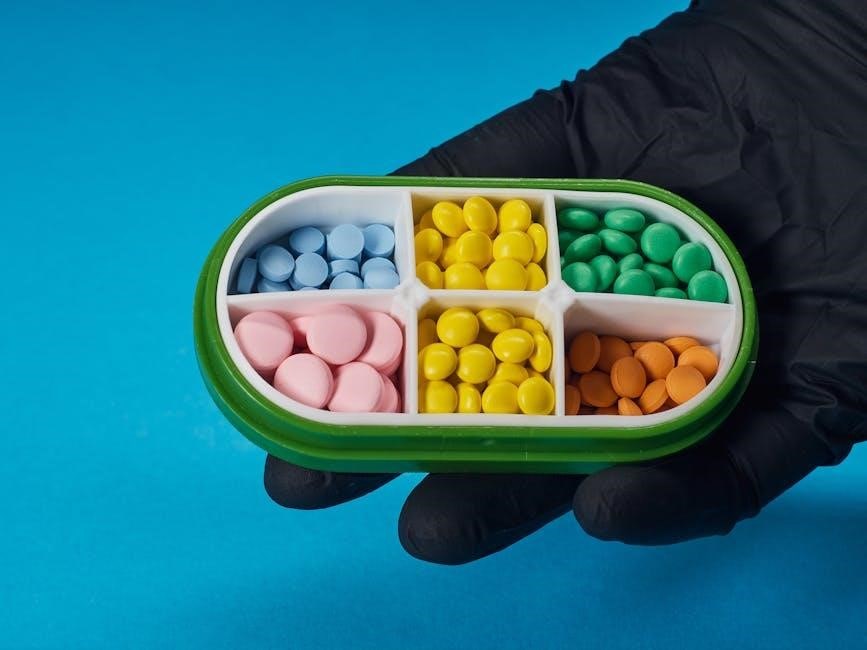
Effective strategies include deprescribing unnecessary medications‚ addressing polypharmacy‚ and diligently monitoring for adverse drug reactions to enhance patient safety and well-being.
Resolving drug-related problems is vital‚ alongside preventing medication errors‚ to ensure optimal therapeutic outcomes within the community setting.
Pharmacist collaboration and review processes are essential for maximizing medication benefits and minimizing potential harms for individuals.
Deprescribing and Medication Review
Regular medication reviews are crucial for identifying potentially inappropriate medications‚ especially in older adults or those with multiple chronic conditions. This process involves a comprehensive assessment of the patient’s current medication regimen‚ considering their goals of care and potential risks versus benefits.
Deprescribing‚ the planned reduction of medication dosages or stopping medications‚ should be undertaken cautiously and collaboratively with the patient. It’s essential to address patient concerns and provide clear explanations for any changes.
Guiding principles emphasize a patient-centered approach‚ ensuring shared decision-making and respecting individual preferences. Identifying and resolving drug-related problems‚ including adverse drug reactions‚ is a key component of optimizing medication use. Careful monitoring after any medication change is vital to assess effectiveness and manage potential withdrawal effects.
Addressing Polypharmacy
Polypharmacy‚ often defined as the concurrent use of five or more medications‚ presents significant challenges in community medication management. It increases the risk of drug interactions‚ adverse effects‚ and medication errors‚ ultimately impacting patient safety and quality of life.
Guiding principles prioritize a thorough medication review to identify potentially unnecessary or duplicative therapies. Deprescribing‚ conducted collaboratively with the patient‚ is a key strategy for simplifying regimens.
Patient education is paramount‚ ensuring individuals understand the purpose of each medication and potential risks. A multidisciplinary team approach‚ including pharmacists‚ physicians‚ and nurses‚ is essential for optimizing medication use and resolving drug-related problems. Regular monitoring for adverse drug reactions is also crucial.
Monitoring for Adverse Drug Reactions
Proactive monitoring for adverse drug reactions (ADRs) is a cornerstone of safe and effective community medication management. Identifying and promptly addressing ADRs minimizes patient harm and enhances therapeutic outcomes. This requires a systematic approach‚ integrating patient reporting with clinical vigilance.
Guiding principles emphasize comprehensive patient education regarding potential ADRs‚ empowering individuals to recognize and report symptoms. Regular medication reviews‚ conducted by a multidisciplinary team‚ are vital for detecting previously unrecognized reactions.
Effective documentation and reporting of ADRs are essential for learning and preventing future occurrences. Collaboration between patients‚ pharmacists‚ and healthcare providers is key to optimizing medication safety and resolving drug-related problems.

Collaboration and Communication
Effective teamwork‚ involving multidisciplinary teams and strong patient-pharmacist partnerships‚ is crucial for optimal medication management and improved patient safety.
Open communication with healthcare providers ensures coordinated care‚ while patient involvement fosters shared decision-making and better health outcomes.
Seamless information exchange is vital for addressing drug-related problems and preventing medication errors within the community healthcare setting.
Multidisciplinary Team Approach
A collaborative‚ multidisciplinary team is fundamental to successful community medication management. This approach necessitates the active participation of pharmacists‚ physicians‚ nurses‚ and other healthcare professionals‚ all working in synergy to optimize patient outcomes.
Effective teams leverage each member’s unique expertise‚ fostering open communication and shared decision-making. This ensures a holistic understanding of the patient’s needs‚ encompassing medical history‚ current medications‚ and individual preferences.
Such collaboration is particularly vital when addressing complex cases involving polypharmacy or drug-related problems. By pooling knowledge and resources‚ the team can identify and resolve issues more effectively‚ minimizing risks and maximizing therapeutic benefits.
Ultimately‚ a strong multidisciplinary approach translates to safer‚ more patient-centered care within the community setting.
Communication with Healthcare Providers
Robust communication between all healthcare providers is paramount for safe and effective community medication management. This includes seamless information exchange regarding medication changes‚ adverse drug reactions‚ and potential drug interactions.
Clear and concise documentation‚ utilizing standardized formats‚ is crucial to minimize errors and ensure continuity of care. Pharmacists play a key role in facilitating this communication‚ acting as a bridge between physicians‚ nurses‚ and patients.
Proactive outreach to providers regarding identified drug-related problems is essential‚ enabling timely interventions and preventing potential harm. Utilizing technology‚ like Pharmacy Connect solutions‚ can streamline this process.
Ultimately‚ open and consistent communication fosters a collaborative environment‚ leading to improved patient safety and optimized medication therapy.
Patient-Pharmacist Collaboration
Effective patient-pharmacist collaboration is a cornerstone of successful community medication management‚ empowering individuals to actively participate in their healthcare journey. Pharmacists provide crucial medication education‚ ensuring patients understand their prescriptions and potential side effects.
This partnership extends to shared decision-making‚ where pharmacists contribute their expertise to optimize medication regimens based on individual needs and preferences. Addressing patient concerns and fostering open dialogue builds trust and adherence.
Leveraging digital tools and Pharmacy Connect solutions can enhance communication and facilitate remote monitoring‚ strengthening the patient-pharmacist relationship.
Ultimately‚ this collaborative approach promotes medication safety‚ improves health outcomes‚ and empowers patients to take control of their well-being.

Medication Safety and Error Prevention
Prioritizing safe medication storage and minimizing errors are vital‚ alongside robust reporting systems to learn from incidents and continuously improve patient safety protocols.
Addressing drug-related problems proactively prevents adverse reactions and medication errors‚ enhancing overall care quality within the community setting.
Safe Medication Storage

Ensuring secure medication storage is a cornerstone of effective community medication management‚ directly impacting patient safety and preventing potential harm. Proper storage encompasses not only physical security – protecting medications from theft‚ diversion‚ and unauthorized access – but also maintaining optimal environmental conditions.
Temperature control‚ protection from light and moisture‚ and organized systems are crucial elements. Healthcare organizations must implement protocols that adhere to regulatory guidelines and best practices. This includes clear labeling‚ segregation of medications‚ and regular inventory checks;
Furthermore‚ patient education regarding safe storage at home is paramount‚ emphasizing the importance of keeping medications out of reach of children and pets‚ and avoiding storage in bathrooms due to humidity. A comprehensive approach to medication storage minimizes risks and supports positive patient outcomes.
Minimizing Medication Errors
Proactive error prevention is central to safe community medication management‚ demanding a multi-faceted approach. This begins with standardized processes for prescribing‚ dispensing‚ and administering medications‚ coupled with robust verification procedures at each stage. Utilizing technology‚ such as automated dispensing systems‚ can significantly reduce the risk of human error.
Clear communication between healthcare providers‚ pharmacists‚ and patients is also vital. Addressing potential ambiguities in medication orders and ensuring patients understand their medication regimens are key preventative measures.
Furthermore‚ fostering a culture of safety where errors are reported and analyzed – not punished – allows for continuous improvement and the implementation of effective mitigation strategies. Prioritizing error prevention safeguards patient well-being and enhances the quality of care.
Reporting and Learning from Errors
Establishing a non-punitive reporting system is paramount for fostering a culture of safety within community medication management. Encouraging healthcare professionals to openly report errors‚ without fear of retribution‚ allows for comprehensive data collection and analysis.
This data should be used to identify systemic issues and vulnerabilities in the medication management process. Root cause analysis helps pinpoint contributing factors‚ moving beyond individual blame to address underlying problems.
Sharing lessons learned through training programs and updated protocols ensures continuous improvement. Implementing corrective actions based on error analysis minimizes the likelihood of recurrence‚ ultimately enhancing patient safety and optimizing medication practices within the community.

Technology and Innovation in Medication Management
Innovative platforms‚ like Pharmacy Connect‚ streamline processes and enhance communication‚ while automated systems improve dispensing accuracy and efficiency in community settings.
Digital tools empower patients and providers‚ supporting informed decisions and optimizing medication adherence for improved health outcomes and safety.
Pharmacy Connect Solutions
Pharmacy Connect‚ a leading healthcare technology platform‚ represents a significant advancement in simplifying and transforming medication management within community settings.
This solution directly supports guiding principles by fostering enhanced collaboration between pharmacists and other healthcare providers‚ ensuring seamless information exchange.
PointClickCare Technologies’ innovation facilitates accurate medication reconciliation at transitions of care‚ minimizing discrepancies and potential adverse events for patients.
By streamlining workflows and automating tasks‚ Pharmacy Connect allows pharmacists to dedicate more time to patient-centered care‚ including education and counseling.
Ultimately‚ this technology empowers a multidisciplinary team approach‚ optimizing medication use and promoting adherence to established best practices in the community.
It’s a crucial step towards safer‚ more efficient‚ and patient-focused medication management systems.
Automated Dispensing Systems
Automated Dispensing Systems (ADS)‚ offered by companies like Swisslog Healthcare‚ directly address staffing concerns and operational inefficiencies prevalent in community medication management.
These systems uphold guiding principles by enhancing medication safety through reduced manual handling and minimized risk of dispensing errors‚ a core tenet of patient care.
ADS contribute to accurate medication reconciliation by providing a centralized‚ controlled inventory‚ supporting comprehensive medication history documentation and review.
By automating packaging and dispensing‚ pharmacists can focus on clinical tasks like patient counseling‚ medication therapy management‚ and collaborative care planning.
This technology supports deprescribing efforts and addresses polypharmacy by providing clear visibility into a patient’s complete medication profile‚ promoting optimized use.
Ultimately‚ ADS empower a safer‚ more efficient‚ and patient-centric approach to community pharmacy practice.
Digital Medication Management Tools
Digital tools are increasingly vital for upholding guiding principles in community medication management‚ fostering patient empowerment and shared decision-making regarding their health.
These platforms facilitate patient education by providing accessible medication information‚ promoting adherence‚ and supporting self-management of chronic conditions.
Pharmacy Connect‚ a solution from PointClickCare Technologies‚ exemplifies this trend‚ streamlining communication between pharmacies and healthcare providers.
Such tools enhance medication reconciliation by enabling secure electronic exchange of medication lists‚ reducing discrepancies and improving accuracy at care transitions.
Digital platforms support ongoing medication review by providing data analytics to identify potential drug-related problems and adverse reactions proactively.
Ultimately‚ these innovations promote a collaborative‚ patient-centered approach to medication management within the community setting.
Addressing Drug-Related Problems
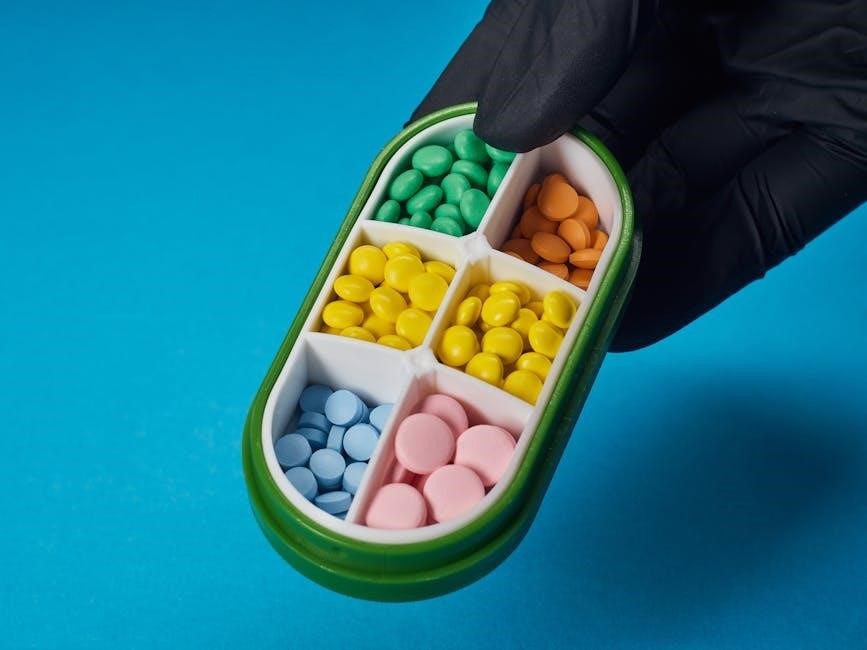
Guiding principles demand proactive identification and resolution of drug-related problems‚ encompassing medication errors and adverse reactions‚ to ensure patient safety.
Effective strategies prioritize prevention‚ aligning with a patient-centered approach to optimize medication use and minimize potential harm.
DRP management is crucial for upholding quality care standards within the community medication management framework.
Identifying and Resolving DRPs
Identifying drug-related problems (DRPs) requires a systematic approach‚ encompassing comprehensive medication reviews and vigilant monitoring for adverse drug reactions within the community setting.
Guiding principles emphasize proactive screening for potential issues‚ utilizing patient interviews and medication history reconciliation to uncover discrepancies or concerns.
Resolution strategies should prioritize collaborative decision-making‚ involving patients‚ pharmacists‚ and other healthcare providers to develop tailored solutions.
Effective interventions may include medication adjustments‚ dose optimization‚ or patient education to enhance adherence and minimize risks.
Documentation of identified DRPs and implemented resolutions is crucial for continuity of care and ongoing monitoring of patient outcomes‚ ensuring a safe and effective medication regimen.
Ultimately‚ a patient-centered approach is paramount in addressing DRPs‚ respecting individual preferences and promoting shared responsibility for medication management.
Medication Error Prevention Strategies
Proactive strategies are essential for minimizing medication errors in community settings‚ focusing on system-level improvements and individual practices.
Standardized processes for prescribing‚ dispensing‚ and administering medications reduce ambiguity and enhance accuracy‚ aligning with best practice guidelines.
Technology integration‚ such as automated dispensing systems and digital medication management tools‚ can minimize human error and improve efficiency.
Pharmacist involvement in medication reconciliation and patient counseling plays a vital role in identifying and resolving potential errors before they occur.
Continuous quality improvement initiatives‚ including error reporting and analysis‚ foster a culture of safety and learning within the community pharmacy.
Patient engagement‚ through education and empowerment‚ encourages active participation in their medication management‚ reducing the risk of errors.
Managing Adverse Drug Reactions
Early detection of adverse drug reactions (ADRs) is crucial in community practice‚ requiring vigilant monitoring and patient reporting mechanisms.
Comprehensive assessment of potential ADRs involves evaluating the patient’s medical history‚ concurrent medications‚ and the timing of symptom onset.
Effective communication between patients‚ pharmacists‚ and physicians is essential for accurate diagnosis and appropriate management of ADRs.
Pharmacist intervention can include dose adjustments‚ medication substitutions‚ or discontinuation of the offending drug‚ based on clinical judgment.
Patient education regarding potential ADRs and self-management strategies empowers individuals to recognize and report symptoms promptly.
Documentation of ADRs and interventions is vital for tracking trends‚ improving patient safety‚ and informing future medication decisions.
Leave a Reply
You must be logged in to post a comment.