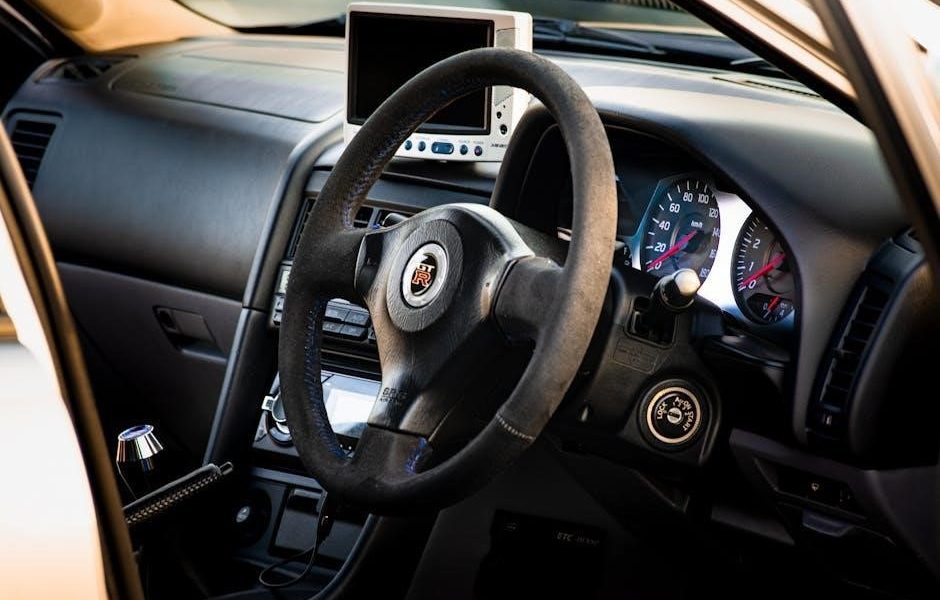
manual transmission remote start
Remote Start Systems for Manual Transmission Vehicles: A Comprehensive Guide
This comprehensive guide delves into the world of adding remote start functionality to vehicles with manual transmissions․ It explores the advancements making this possible‚ alongside crucial safety features and installation considerations․
For years‚ remote start systems were largely considered the domain of automatic transmission vehicles․ The inherent safety concerns surrounding a manual transmission – specifically‚ the potential for the vehicle to lurch forward if started in gear – presented a significant obstacle․ Traditionally‚ manufacturers and installers deemed it impractical‚ even impossible‚ to reliably and safely implement remote start on a manual car․
However‚ recent technological advancements have shattered this long-held belief․ Now‚ it’s absolutely possible to equip a manual transmission vehicle with a remote start system‚ but it necessitates a different approach and a heightened focus on safety protocols․ The core principle revolves around guaranteeing the vehicle is in neutral before the engine is engaged remotely; This isn’t simply a matter of adding a module; it requires a system specifically designed to understand and interact with a manual transmission․
This guide aims to provide a comprehensive overview of this evolving technology‚ exploring the functionality‚ benefits‚ limitations‚ installation considerations‚ and vital safety measures associated with utilizing remote car starters in manual transmission vehicles․ We’ll uncover how to enjoy the convenience of remote starting while mitigating the risks inherent in a manual drivetrain․
Historical Challenges and Recent Advancements
Historically‚ the primary challenge in implementing remote start on manual transmission vehicles stemmed from the lack of a definitive way to confirm the gear selector was in neutral․ Early attempts often relied on simplistic methods‚ prone to failure and creating potentially dangerous situations – a vehicle starting in gear could lurch forward‚ causing damage or injury․ This led many manufacturers to simply avoid offering remote start options for manual cars․
The breakthrough came with the development of sophisticated systems capable of verifying neutral position․ These advancements leverage the vehicle’s existing sensors and incorporate additional safety checks․ Modern systems don’t just assume the car is in neutral; they actively confirm it before allowing the engine to start․ This is often achieved through integration with the clutch switch and other transmission-related components․
Furthermore‚ the introduction of “reservation mode” – a crucial safety feature – allows the driver to initiate a pre-start sequence‚ confirming the vehicle’s safe state․ These recent innovations have transformed what was once considered impossible into a viable and increasingly popular option for manual transmission vehicle owners‚ offering convenience without compromising safety․
The Core Principle: Ensuring Neutral Gear
The fundamental principle underpinning any successful manual transmission remote start system is absolute certainty that the vehicle is in neutral․ This isn’t merely a preference; it’s a critical safety requirement․ Starting a manual vehicle in any gear other than neutral could result in unintended movement‚ potentially causing collisions‚ injuries‚ or damage to the vehicle itself․
Therefore‚ systems are designed with multiple layers of verification․ They don’t rely on a single sensor or switch․ Instead‚ they integrate data from various sources‚ including the gear position sensor‚ clutch switch‚ and sometimes even the vehicle’s computer (ECU)․ This redundancy ensures a high degree of accuracy․
The process typically involves checking if the gear selector is physically in the neutral position and confirming that the clutch pedal is not depressed․ Only when both conditions are met will the system allow the engine to start remotely․ This multi-faceted approach minimizes the risk of accidental engagement and provides peace of mind for the vehicle owner․ It’s the cornerstone of safe and reliable operation․
Understanding “Reservation Mode”
“Reservation Mode” is a crucial feature in manual transmission remote start systems‚ acting as a final safety confirmation step initiated by the driver․ It’s designed to verify the vehicle is safe for remote starting‚ preventing unintended operation․ Essentially‚ it’s a driver-activated sequence that prepares the car for a remote start request․
The process usually involves a specific combination of actions – often pressing the brake pedal and the remote start button – before exiting the vehicle․ This action “reserves” the ability to remotely start the car‚ but only after the system confirms the gear is in neutral and the parking brake is engaged․ It’s a deliberate action‚ requiring driver input to acknowledge the system’s readiness․
Without activating reservation mode‚ the remote start function will typically be disabled‚ even if the vehicle meets all other safety criteria․ This prevents unauthorized or accidental remote starts․ Think of it as a personalized ‘okay’ from the driver‚ ensuring they’ve properly prepared the vehicle before initiating the remote start sequence․ It’s a vital layer of security and control․
How Manual-Compatible Remote Starters Work
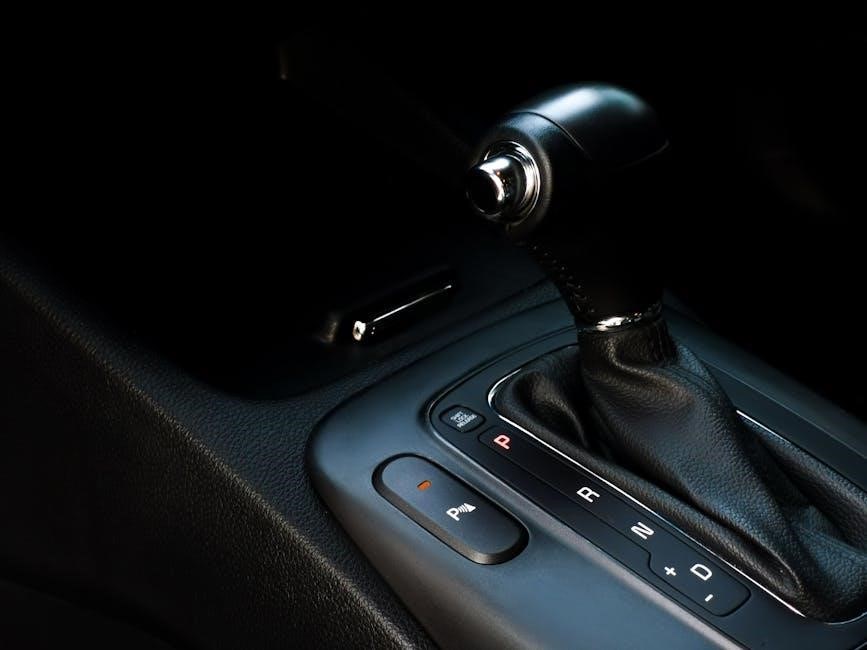
Manual-compatible remote starters operate differently than those designed for automatic transmissions‚ focusing heavily on safety interlocks․ The core principle revolves around verifying the vehicle is in neutral before allowing the engine to start remotely․ This is achieved through a sophisticated system of sensors and control modules․
The system typically integrates with the vehicle’s existing wiring‚ monitoring the clutch switch and gear position sensor․ Before initiating the start sequence‚ the remote starter confirms the clutch pedal is not depressed and the gear selector is in neutral․ If these conditions aren’t met‚ the start is prevented․ This prevents the car from lurching forward or backward unexpectedly․

Modern systems often utilize “reservation mode” (discussed elsewhere) as a pre-check‚ requiring driver confirmation before enabling remote start․ Once the system confirms safety‚ it bypasses the normal starting requirements – like pressing the clutch – and engages the starter motor․ It’s a carefully orchestrated process designed to mimic a safe‚ manual start‚ but remotely initiated․
Key Features to Look For in a System

When selecting a remote start system for a manual transmission vehicle‚ several key features are paramount․ Prioritize systems explicitly designed for manual transmissions‚ as universal kits often lack the necessary safety interlocks․ Look for robust neutral safety switch integration‚ ensuring reliable verification of the gear position before starting․
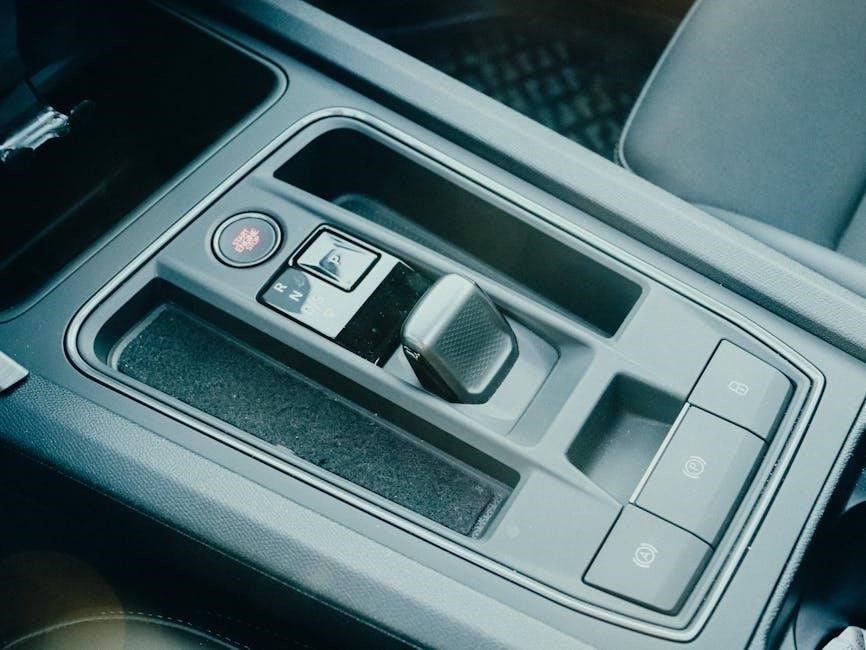
Reservation mode functionality is crucial; it adds an extra layer of security‚ requiring driver confirmation before remote start is enabled․ Consider systems with adjustable run times‚ allowing you to pre-heat or pre-cool the vehicle for a customized duration․ Two-way communication is also beneficial‚ providing feedback on the system’s status and confirming successful starts․
Smartphone control via a dedicated app offers enhanced convenience and range․ Pay attention to the system’s range – longer ranges are useful in larger parking lots․ Finally‚ ensure the system is compatible with your vehicle’s security system to avoid triggering alarms during remote start․ A reputable brand with strong customer support is also highly recommended․
Safety Measures and Considerations
Implementing a remote start system in a manual transmission vehicle necessitates stringent safety measures․ The primary concern is preventing unintended vehicle movement․ A properly functioning neutral safety switch is absolutely critical; it must reliably confirm the vehicle is in neutral before allowing the engine to start remotely․
Reservation mode is a vital safety feature‚ demanding driver confirmation before remote start activation․ This prevents unauthorized starting and potential accidents․ Systems should also incorporate a hood-pin switch‚ disabling the remote start if the hood is open‚ safeguarding against maintenance-related hazards․
Consider the potential for theft․ While remote start adds convenience‚ it also introduces a potential vulnerability․ Choose systems with advanced encryption and security features to deter unauthorized access․ Regular system checks and software updates are essential to maintain optimal security․ Professional installation is highly recommended to ensure all safety features are correctly implemented and functioning as intended‚ minimizing risks․
Bypassing the Clutch Switch
Traditionally‚ the clutch switch prevents starting unless the clutch pedal is fully depressed․ For remote start functionality in a manual vehicle‚ this switch must be bypassed‚ but not simply disabled․ A sophisticated bypass module is crucial‚ ensuring the switch’s safety function remains intact during normal driving;

The bypass doesn’t eliminate the switch; it intelligently overrides it only during remote start sequences‚ contingent upon confirmation of the neutral position․ This is achieved through integration with the vehicle’s existing safety systems and the remote start module’s logic․ Improper bypassing can create a dangerous situation‚ allowing the engine to start in gear․
Professional installation is paramount when dealing with the clutch switch․ Technicians utilize specific wiring schematics and bypass modules designed for manual transmissions․ Attempting a DIY bypass without proper knowledge and tools is strongly discouraged due to the potential for creating a hazardous condition․ The goal is a seamless integration that prioritizes safety above all else․
Installation Process Overview
The installation of a manual transmission remote start system is considerably more complex than for an automatic․ It begins with a thorough vehicle assessment to determine compatibility and identify crucial wiring points․ Technicians locate and connect to the vehicle’s starter‚ ignition‚ and accessory circuits‚ often requiring access to the vehicle’s computer (ECU)․
Crucially‚ the clutch switch and neutral safety switch require specific attention‚ as detailed in the bypassing section․ The remote start module itself is strategically mounted‚ ensuring secure connections and protection from the elements․ Programming the module to recognize the vehicle’s specific parameters is a vital step‚ often utilizing a dedicated programming tool․
Testing is extensive‚ verifying the system operates correctly in various scenarios – confirming neutral detection‚ safety interlocks‚ and seamless engine start/stop functionality․ A final quality check ensures all connections are secure and the vehicle’s existing systems are unaffected․ Proper installation guarantees reliable operation and prevents potential issues․
Professional Installation vs․ DIY
While a determined DIY enthusiast might attempt a manual transmission remote start installation‚ it’s generally strongly discouraged․ The complexity of these systems‚ particularly the critical safety interlocks and wiring requirements‚ demands specialized knowledge and tools․ Incorrect wiring can lead to vehicle malfunction‚ damage to the ECU‚ or even safety hazards․
Professional installers possess the expertise to navigate the intricacies of each vehicle model‚ ensuring proper integration and adherence to safety standards․ They utilize diagnostic tools to verify system functionality and can accurately bypass the clutch switch without compromising vehicle safety․ Furthermore‚ professional installations often come with warranties‚ providing peace of mind․
DIY attempts may void vehicle warranties and could potentially create insurance complications․ The time investment‚ risk of error‚ and potential for costly repairs typically outweigh any perceived cost savings․ Investing in professional installation guarantees a reliable‚ safe‚ and properly functioning remote start system tailored to your specific vehicle․
Common Pitfalls and Troubleshooting
One of the most frequent frustrations with manual transmission remote starts is the perception that “it doesn’t work‚” when in reality‚ the system is functioning as designed․ Often‚ this stems from failing to properly engage “reservation mode” before exiting the vehicle․ Users must follow the specific sequence dictated by their system – typically a combination of clutch presses and ignition turns – to signal readiness․
Other common issues include incorrect clutch switch bypass procedures‚ leading to the system refusing to start․ Verify the bypass module is correctly installed and configured․ Low vehicle battery voltage can also prevent successful starts‚ especially in cold weather․ Ensure the battery is in good condition and fully charged․
Troubleshooting steps involve checking the remote starter’s control module for error codes (if equipped)‚ verifying the neutral safety switch functionality‚ and confirming the vehicle’s security system isn’t interfering․ If problems persist‚ consulting a professional installer is highly recommended to diagnose and resolve complex issues․
Why Your Remote Start Might Not Be Working
Several factors can prevent your manual transmission vehicle’s remote start from functioning correctly․ The most common culprit is a failure to properly activate and understand “reservation mode․” This crucial step confirms the vehicle is safe to start remotely‚ and skipping it will invariably lead to no-start situations․ Ensure you’re following the manufacturer’s precise instructions for engaging this mode․
Another frequent issue revolves around the clutch switch․ If bypassed incorrectly‚ or if the bypass module itself is faulty‚ the system won’t initiate․ A weak or failing vehicle battery is also a prime suspect‚ particularly in colder climates․ Insufficient voltage can prevent the starter from engaging․
Furthermore‚ interference from the vehicle’s security system can block remote start attempts․ Check for any aftermarket alarm systems that might be conflicting with the remote start module․ Finally‚ ensure the system is compatible with your specific manual transmission type and that all wiring connections are secure and correct․
Daily Use and Practical Applications
Integrating a remote start into your daily routine with a manual transmission vehicle offers significant convenience․ Imagine pre-warming or pre-cooling the cabin during extreme weather‚ ensuring a comfortable drive from the moment you start․ This is particularly beneficial in harsh winters or scorching summers‚ maximizing comfort before even turning the key․
Beyond comfort‚ remote start enhances practicality․ Quickly defrosting windows on a cold morning becomes effortless‚ saving valuable time․ It also allows for a more strategic approach to vehicle preparation‚ such as warming up the engine oil for optimal lubrication before a demanding drive․
However‚ remember the necessity of engaging reservation mode each time you intend to use the remote start․ This simple step ensures the vehicle is in neutral and safe to operate remotely․ Consistent adherence to this safety protocol is paramount for reliable and secure daily use‚ unlocking the full potential of this convenient feature․
Benefits of Remote Starting a Manual Vehicle
The advantages of equipping a manual transmission vehicle with a remote start system extend beyond simple convenience․ A primary benefit is climate control – pre-heating in winter and pre-cooling in summer create a significantly more comfortable driving experience‚ eliminating the initial discomfort of a hot or cold cabin․
Furthermore‚ remote start aids in vehicle maintenance․ Warming up the engine before driving‚ especially in colder climates‚ allows oil to circulate more effectively‚ reducing engine wear and tear․ Defrosting windows remotely saves valuable time and effort‚ improving visibility and safety․
Modern systems prioritize safety‚ requiring activation of “reservation mode” to confirm the vehicle is in neutral before starting․ This feature‚ coupled with other safety measures‚ provides peace of mind․ Ultimately‚ a remote start transforms a manual vehicle‚ blending the engaging driving experience with the modern convenience expected in today’s automotive landscape․
Limitations and Potential Drawbacks
While offering numerous benefits‚ remote start systems for manual transmission vehicles aren’t without limitations․ A key drawback is the reliance on the driver properly placing the vehicle in neutral and activating “reservation mode” before exiting․ Failure to do so prevents the system from functioning‚ negating the convenience․
Installation complexity also presents a challenge․ Unlike automatic transmissions‚ manual systems require more intricate wiring and potentially bypassing the clutch switch‚ increasing installation costs and the risk of improper functionality․ Some systems may exhibit compatibility issues with certain manual transmission types‚ requiring careful system selection․
Additionally‚ the system’s effectiveness is contingent on a functioning battery․ Cold weather‚ which often prompts remote starting‚ can also strain battery performance․ Finally‚ it’s crucial to be aware of any legal or insurance implications in your region‚ as modifications may affect coverage․ Careful consideration of these factors is vital before investing in a manual transmission remote start system․

Compatibility with Different Manual Transmission Types
Ensuring compatibility is paramount when selecting a remote start system for a manual transmission vehicle․ Not all systems are universally applicable‚ and variations in transmission design can impact functionality․ Older vehicles‚ particularly those with mechanically linked transmissions‚ may present greater challenges than newer models with electronic controls․
Systems designed for cable-operated clutches might not function correctly with hydraulic systems‚ and vice versa․ Some vehicles with specific transmission configurations may require additional modules or specialized wiring harnesses for proper integration․ It’s crucial to verify compatibility with the vehicle’s year‚ make‚ and model before purchasing a system․
Furthermore‚ transmissions with unique features‚ such as dual-mass flywheels or specific gear ratios‚ could necessitate custom installation or programming․ Consulting with a professional installer experienced in manual transmission remote starts is highly recommended to assess compatibility and avoid potential issues․ Thorough research and verification are key to a successful installation and reliable operation․
Remote Start System Types: Key Differences
Several types of remote start systems cater to manual transmission vehicles‚ each with distinct features and price points․ Basic systems typically offer limited range and functionality‚ often relying on radio frequency (RF) technology with a shorter operational distance․ These are generally more affordable but lack advanced features like smartphone control․
More sophisticated systems utilize long-range technology‚ such as cellular or RF with extended range‚ providing control from significantly greater distances․ These often integrate with smartphone apps‚ allowing for remote start‚ vehicle status monitoring‚ and even climate control adjustments․ Bypass modules are crucial for manual transmissions‚ differing in complexity and effectiveness․
Some systems employ a “reservation mode” requiring driver input before remote start is enabled‚ enhancing safety․ Others utilize sophisticated algorithms to verify the vehicle is in neutral․ The choice depends on budget‚ desired features‚ and the vehicle’s specific requirements․ Professional installation is often recommended to ensure proper system integration and functionality‚ maximizing safety and reliability․
Cost Analysis: System Price and Installation Fees
The cost of a manual transmission remote start system varies significantly based on features‚ brand‚ and range․ Basic RF systems can start around $150-$300‚ while long-range systems with smartphone integration typically range from $300-$700 or more․ Crucially‚ manual-specific bypass modules add to the overall expense‚ generally costing between $50 and $200 depending on the vehicle’s complexity․
Installation fees are a substantial component of the total cost․ A professional installation‚ which is highly recommended for manual vehicles due to the intricate wiring and safety considerations‚ can range from $150 to $500‚ depending on the vehicle’s make and model and the installer’s labor rates․ More complex installations‚ requiring extensive wiring or custom bypass module programming‚ will naturally be more expensive․
DIY installation is possible‚ but carries risks if not performed correctly․ It can save on labor costs‚ but requires significant technical expertise and could potentially void warranties or compromise vehicle safety․ Therefore‚ factoring in both the system price and professional installation fees provides a realistic estimate of the total investment․
Legal and Insurance Implications
The legality of remote starters‚ including those for manual transmission vehicles‚ generally depends on local and state laws․ While most jurisdictions permit their use‚ some may have restrictions regarding unattended vehicle operation․ It’s crucial to verify local regulations before installation to ensure compliance and avoid potential legal issues․
Insurance implications are also important to consider․ Some insurance providers may require notification of a remote start system installation‚ as it could potentially affect the vehicle’s risk profile․ Failure to inform your insurer could potentially invalidate coverage in the event of theft or damage related to the remote start system․
Liability concerns arise from unattended operation․ If a vehicle is stolen or involved in an accident while remotely started‚ the owner could be held liable․ Ensuring the system incorporates robust safety features‚ like requiring the parking brake to be engaged‚ can mitigate these risks․ Thoroughly understanding your insurance policy and local laws is paramount before and after installation․
Future Trends in Manual Transmission Remote Start Technology
The evolution of manual transmission remote start is poised for significant advancements‚ driven by increasing demand and technological innovation․ We can anticipate smarter systems integrating more sophisticated safety protocols‚ potentially utilizing GPS tracking and geofencing to prevent operation in unauthorized locations․
Improved integration with vehicle systems is also on the horizon․ Future systems may seamlessly connect with the car’s onboard diagnostics (OBD) for enhanced monitoring and control‚ offering features like pre-emptive engine health checks before remote start activation․ Smartphone app functionality will likely expand‚ providing more granular control and customization options․
Artificial intelligence (AI) could play a role‚ learning driver preferences and automatically adjusting settings for optimal comfort․ Furthermore‚ advancements in cybersecurity will be crucial to protect against unauthorized access and potential vehicle theft․ Expect more user-friendly installation processes and potentially‚ fully wireless systems eliminating complex wiring harnesses‚ making this technology more accessible․
Leave a Reply
You must be logged in to post a comment.