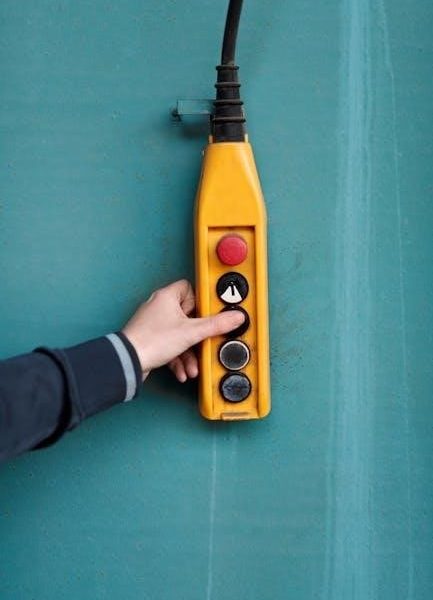
manual pie press
Manual pie presses revolutionize baking, offering consistency, speed, and cost-effectiveness for both home bakers and commercial operations. Discover how these tools enhance pie production!
Explore the world of manual pie presses, learning techniques for effortless, delicious pies. This guide covers models, maintenance, and finding the perfect press for your needs.
What is a Manual Pie Press?
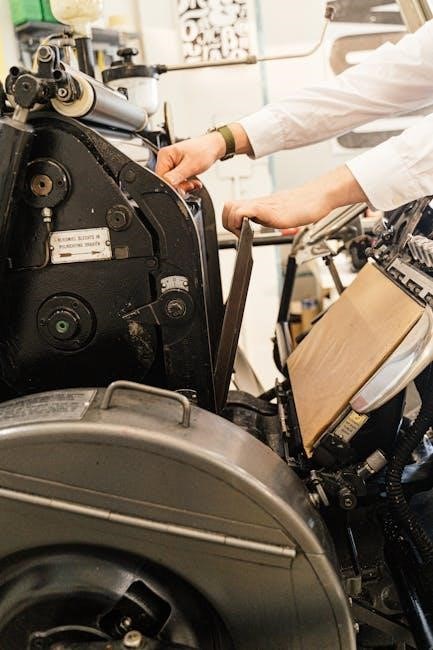
A manual pie press is a mechanical device designed to efficiently and consistently form pie crusts. Unlike hand-rolling, these presses utilize pressure to quickly shape dough into pie pans.
Comtec presses, for example, demonstrate versatility beyond traditional pie dough, handling short, sweet, crumb, and even gluten-free varieties. They eliminate the labor-intensive process of hand-crimping, ensuring uniform crusts every time, boosting bakery output.
Benefits of Using a Manual Pie Press
Manual pie presses deliver significant advantages, including consistent quality and reduced production time. They automate crust forming, increasing output with less labor, making them a cost-effective investment for bakeries.
Versatility is key; one machine can create various crust types – flat, lattice, or pocket pies – minimizing equipment needs. This leads to space savings and streamlined operations, enhancing overall efficiency.
Types of Manual Pie Presses
Manual pie presses vary, including single-action versus double-action models, and benchtop versus floor-standing designs. Materials like aluminum, stainless steel, and cast iron are common.
Single-Action vs. Double-Action Presses
Single-action presses complete the crust forming with one downward motion, ideal for simpler designs and smaller operations. Double-action presses utilize a two-stage process, providing greater control and precision for intricate crusts like lattice tops.
Double-action models often yield a more consistent thickness and are favored by bakeries needing high-volume, uniform pie production. Consider your needs when choosing!
Benchtop vs. Floor-Standing Models
Benchtop pie presses are compact and suitable for smaller kitchens or bakeries with limited space, offering portability and ease of cleaning. Floor-standing models, however, provide greater stability and capacity for high-volume production.
Floor-standing presses often feature larger platens and more robust construction, reducing operator fatigue during extended use. Evaluate your space and output requirements carefully.
Material Considerations: Aluminum, Stainless Steel, and Cast Iron
Aluminum pie presses are lightweight and affordable, ideal for smaller operations, but may lack the durability of heavier materials. Stainless steel offers superior hygiene, corrosion resistance, and longevity, justifying a higher investment.
Cast iron provides exceptional stability and heat retention when utilizing heated dies, but requires careful maintenance to prevent rust. Consider your budget and sanitation needs.
Choosing the Right Pie Press for Your Needs
Selecting a pie press depends on production volume, crust versatility, and budget. Evaluate capacity, dough types, and cost to find the ideal machine!
Capacity and Production Volume
Determining the right capacity is crucial. Small bakeries might need a benchtop model for moderate output, while larger operations benefit from floor-standing presses.
Consider daily pie volume and peak demand. Presses vary in how many crusts they can form per hour, directly impacting efficiency and labor savings. Scaling production requires a press that can keep pace!
Crust Type Versatility
Modern manual pie presses aren’t limited to traditional pie dough! They effectively handle short dough, sweet dough, crumb dough, and even gluten-free formulations.
This adaptability reduces the need for multiple machines, saving space and costs. Explore options for flat crusts, lattice tops, and pocket pies – all with a single, versatile press.
Budget and Cost Analysis
Manual pie presses represent a fantastic investment, particularly for small to medium-sized bakeries aiming to scale production without substantial capital expenditure.
Consider initial purchase costs alongside long-term savings from reduced labor and minimized dough waste. Used equipment offers further budget-friendly options, balancing cost with potential maintenance needs;

Preparing Dough for Pie Pressing
Optimal dough consistency is crucial for successful pressing. Room temperature dough generally works best, and heated dies can improve results significantly.
Various recipes—shortcrust, sweet dough, and gluten-free options—are suitable, though short dough is often preferred for its base qualities.
Optimal Dough Consistency
Achieving the right dough consistency is paramount for efficient pie pressing. The dough should be pliable enough to flow smoothly through the press, yet firm enough to hold its shape.
Avoid overly sticky or dry doughs, as these can cause issues with the machine. A slightly chilled dough often performs best, preventing excessive sticking and ensuring clean releases.
Dough Temperature and its Impact
Dough temperature significantly impacts the pressing process. Room temperature dough is generally suitable, but slightly chilled dough often yields better results, minimizing sticking and maintaining form.
Experimentation is key; warmer doughs may be easier to process, while colder doughs offer greater structural integrity. Consider using a heated die for optimal performance!
Recipes Suitable for Pie Presses (Shortcrust, Sweet Dough, Gluten-Free)
Manual pie presses demonstrate remarkable versatility, accommodating various dough types beyond traditional pie crust. Shortcrust, sweet dough, and even gluten-free formulations can be successfully pressed, expanding baking possibilities.
Comtec presses require no specific recipe, proving adaptable to crumb dough and more. This flexibility reduces equipment needs and streamlines production for diverse baked goods.
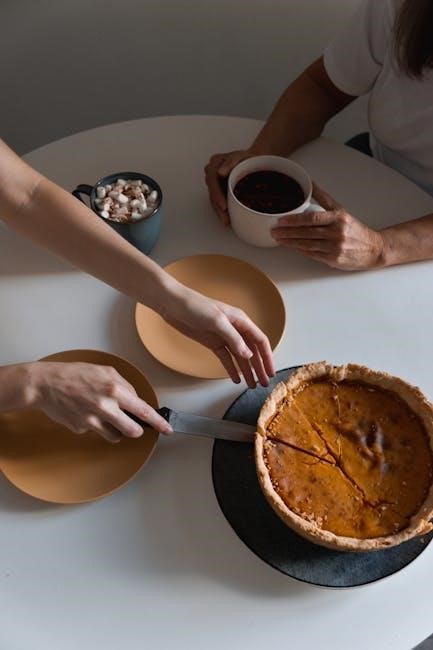
Operating a Manual Pie Press: A Step-by-Step Guide
Safely load dough into the press, controlling pressure for even crusts. Consider a heated die for optimal results, pre-warming it in the oven beforehand.
Safety Precautions
Always disconnect the pie press before cleaning or maintenance. Keep hands clear of moving parts during operation to prevent injury. Never force the press; excessive pressure can damage the machine. Ensure the press is stable on a level surface before use. Inspect for any loose components before each baking session, and wear appropriate safety gear.
Loading the Dough
Cut dough into appropriately sized portions for your press. Gently form each portion into a ball or disc, ensuring no air pockets remain. Place the dough centrally within the die, avoiding contact with the edges. Do not overfill the die, as this can cause uneven pressing and potential machine strain. Ensure consistent dough weight for uniform pies.
Pressing Technique and Pressure Control
Apply firm, even pressure to the press handle, maintaining a consistent rate throughout the pressing cycle. Experiment with pressure to achieve desired crust thickness; heated dies require less force. Avoid jerky movements, which can distort the crust. Monitor the dough’s formation, ensuring it fills the die completely. Release pressure slowly to prevent tearing.
Maintenance and Cleaning
Regular cleaning – daily removal of dough residue – is crucial. Lubricate moving parts periodically to ensure smooth operation and prevent corrosion. Address issues promptly!
Daily Cleaning Procedures
After each use, thoroughly remove all dough remnants from the press, dies, and surrounding areas. Utilize a soft brush or scraper to avoid damaging surfaces. Warm, soapy water is effective, but avoid harsh chemicals or abrasive cleaners. Dry all components completely before storage to prevent rust and maintain optimal performance. Consistent daily cleaning extends the lifespan of your manual pie press.
Long-Term Maintenance and Lubrication
Periodically inspect the manual pie press for wear and tear, tightening any loose bolts. Apply food-grade lubricant to moving parts – hinges, levers, and pressing mechanisms – every few months. This prevents friction and ensures smooth operation. Protect metal surfaces with a light coating of oil to resist corrosion. Regular maintenance maximizes longevity and efficiency.
Troubleshooting Common Problems
Uneven crusts often stem from inconsistent dough thickness or insufficient pressure. If dough sticks, lightly flour the press dies or chill the dough further. Machine malfunctions may indicate a need for lubrication or tightening of components. Inspect for obstructions and ensure proper alignment before operation. Address issues promptly to maintain efficiency.

Advanced Techniques and Applications
Explore lattice crusts, pocket pies, and empanadas with your manual press! Heated dies enhance results, while versatile applications extend beyond traditional pie doughs.
Creating Lattice Crusts
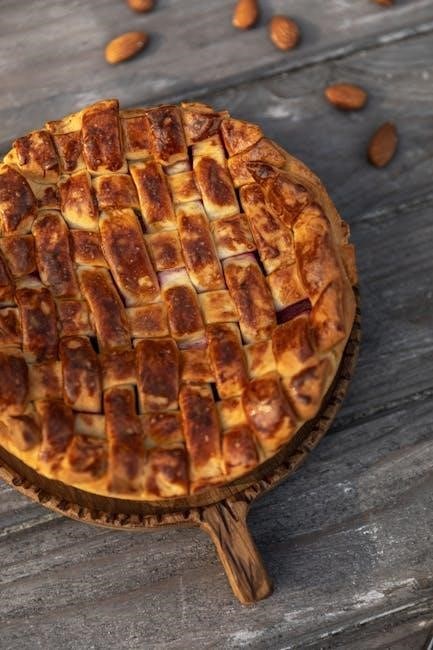
Achieving a beautiful lattice crust with a manual pie press requires a slightly different approach. While not a direct press, the machine efficiently prepares consistent dough strips. These strips, chilled for firmness, are then woven by hand atop the filled pie.
Consistent dough thickness, thanks to the press, ensures even baking and a visually appealing lattice. Experiment with varying strip widths for unique designs, elevating your pie’s presentation!
Forming Pocket Pies and Empanadas
Manual pie presses excel at rapidly producing dough circles perfectly sized for pocket pies and empanadas. Simply adjust the die to the desired diameter and consistently press out dough rounds, saving significant hand-cutting time.
Fill each circle, fold, crimp the edges, and bake! This method is ideal for scaling production, ensuring uniform size and shape for professional-looking results and efficient filling.
Using Heated Dies for Enhanced Results
Heated dies significantly improve dough handling with a manual pie press, preventing sticking and ensuring clean release, especially with delicate or gluten-free doughs. Pre-warming the die in an oven enhances dough pliability and creates a superior crust texture.
This technique is highly recommended for short doughs, resulting in beautifully formed pies with minimal effort and reduced waste. Experiment to find the optimal temperature!
Cost-Effectiveness and ROI
Manual pie presses deliver substantial ROI through labor savings, reduced dough waste, and increased production capacity, making them ideal for scaling bakery operations.
Labor Savings
Manual pie presses significantly reduce the time required for crust formation, freeing up valuable staff hours. Automating this process allows bakers to focus on other critical tasks, like filling preparation and decorating. This increased efficiency translates directly into lower labor costs, especially beneficial for businesses experiencing staffing challenges or aiming to expand production without hiring additional personnel.
Reduced Dough Waste
Manual pie presses consistently produce uniform crusts, minimizing trimming and scrap dough. Precise pressing ensures optimal dough utilization, unlike hand-rolling which often results in uneven shapes and excess material. This reduction in waste directly impacts ingredient costs, boosting profitability and promoting sustainable baking practices within your operation.
Scaling Production for Bakeries
Manual pie presses empower bakeries to efficiently increase output without substantial labor costs. Automating crust formation allows for higher production volumes, meeting growing demand effectively. This scalability is ideal for small to medium-sized businesses seeking expansion, offering a cost-effective alternative to fully automated systems and increased profitability.
Where to Buy Manual Pie Presses
Manual pie presses are available from reputable manufacturers, online marketplaces, and suppliers like Comtec. Consider new or used equipment based on budget and production needs.
Reputable Manufacturers and Suppliers
Comtec stands out as a prominent manufacturer, known for versatile presses capable of handling diverse doughs – short, sweet, gluten-free, and more – beyond traditional pie crusts. Researching direct suppliers ensures access to expert guidance and potentially better pricing.
Exploring industry trade shows and bakery equipment dealers can also reveal reliable manufacturers and suppliers offering quality manual pie presses and support services.
Online Marketplaces
eBay and other online auction sites frequently list used manual pie presses, offering potential cost savings, but require careful inspection of the machine’s condition and history. Amazon and specialized bakery supply websites provide new options with warranties and customer support.
Always compare prices, shipping costs, and seller ratings before purchasing online to ensure a reliable transaction and a quality product.
Considerations for Used Equipment
Inspect thoroughly for wear and tear, focusing on dies, pressing plates, and the overall frame integrity. Check for rust, especially in stainless steel or cast iron models, and assess the functionality of any moving parts.
Inquire about maintenance records and request a demonstration if possible. Factor in potential repair costs when evaluating the price, and confirm parts availability.
Beyond Pie Dough: Versatile Applications
Manual pie presses excel with short, sweet, and gluten-free doughs! They aren’t limited to pie pans; utilize various pan types for diverse baked goods.
Working with Short Dough and Sweet Dough
Manual pie presses demonstrate remarkable versatility beyond traditional pie doughs, effortlessly handling short dough and sweet dough formulations. Customers report successful pressing without needing specific recipes, showcasing adaptability.
These presses consistently deliver excellent results with diverse dough types, expanding baking possibilities and streamlining production for various pastry creations. Experimentation is encouraged!
Crumb Dough and Gluten-Free Options
Manual pie presses excel with crumb dough, offering a consistent texture often challenging to achieve by hand. Notably, these machines also successfully process gluten-free doughs, broadening accessibility for diverse dietary needs.
Comtec presses, in particular, demonstrate this capability, proving that specialized recipes aren’t always required for optimal pressing results, enhancing versatility and inclusivity in baking.
Using Different Pan Types
Manual pie presses aren’t limited to traditional foil pie pans, offering flexibility in baking container choices. Bakers can utilize various pan shapes and materials, expanding creative possibilities beyond standard designs.
This adaptability, demonstrated by Comtec presses, allows for diverse product offerings and caters to specific presentation preferences, making the press a versatile tool for any bakery.

Troubleshooting Common Problems
Pie press issues like uneven crusts, dough sticking, or machine malfunctions are solvable. Adjust pressure, temperature, or lubrication for optimal results and consistent pies!
Uneven Crust Thickness
Uneven crusts often stem from inconsistent dough loading or insufficient pressure application during pressing. Ensure dough is uniformly distributed within the press and that consistent downward force is applied.
Experiment with pressure adjustments; a heated die can also promote even distribution. Check dough temperature – room temperature is generally best – and consider dough consistency for optimal results.
Dough Sticking to the Press
Dough sticking is frequently caused by insufficient lubrication or a dough that’s too warm. Lightly dust the press plates with flour before each use to create a non-stick barrier.
Ensure your dough is adequately chilled; room temperature dough tends to adhere more readily. A heated die can also minimize sticking, promoting clean release and consistent pie formation.
Machine Malfunctions
Machine malfunctions often stem from inadequate maintenance or improper use. Regularly lubricate moving parts to prevent seizing and ensure smooth operation. Inspect for loose bolts or damaged components before each use.
If the press isn’t functioning correctly, cease operation immediately and consult the manufacturer’s guidelines for troubleshooting or repair. Avoid forcing any mechanism.
Future Trends in Pie Press Technology
Future trends include automation, improved die designs, and integration with existing bakery equipment, enhancing efficiency and versatility in pie production processes.
Automation and Hybrid Systems
The future sees a blend of manual and automated systems. Expect hybrid presses incorporating automated dough feeding or crust removal, boosting throughput while retaining artisan control. Fully automated systems, though less common for smaller operations, are emerging, promising consistent, high-volume production. These advancements aim to reduce labor costs and increase efficiency, bridging the gap between traditional methods and modern bakery demands.
Improved Die Designs
Future die designs will prioritize versatility and ease of use. Expect quick-change die systems allowing seamless transitions between crust styles – flat, lattice, or pocket pies. Heated dies, already gaining traction, will become more refined, ensuring optimal dough temperature and texture. Materials will focus on durability and non-stick properties, minimizing waste and maximizing efficiency.
Integration with Other Bakery Equipment
Seamless integration is the future. Expect manual pie presses to connect with dough dividers and conveyor systems, creating fully automated pie production lines; Data sharing with recipe management software will optimize dough consistency and pressing parameters. This connectivity will streamline workflows, reduce manual handling, and boost overall bakery efficiency.
Leave a Reply
You must be logged in to post a comment.